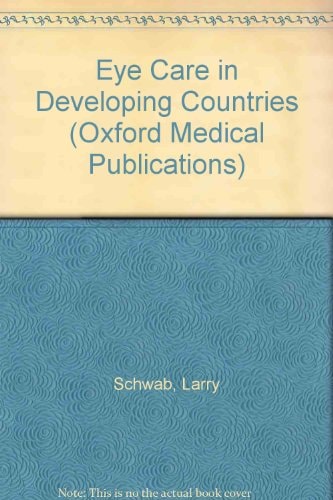
Eye Care in Developing Countries
0
0
As an Amazon Associate and affiliate partner, Menrva Books earns from qualifying purchases. Learn more
Author Description
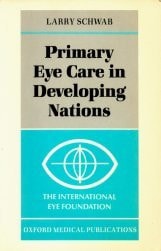
About 50 million people are blind worldwide. Twenty million are blind from a single cause, cataract, and 75 percent are blind from conditions that are preventable and treatable. The majority of the world's blind live in developing countries where health care and medical resources are scarce. The technology for preventing blindness in these countries is simple, and eye care can be performed by specially trained health workers supervised by ophthalmologists, often in remote places with limited supplies and equipment. This book is intended are a reference and text for students and teachers of eye care and blindness prevention in these areas. The emphasis is one efficient and inexpensive methods of diagnosis, treatment, and prevention programs. This second edition has been revised and expanded, with updated coverage of onchocerciasis, nutrition, xerophtalmia, and the World Health Organization system for grading trachoma. A number of new illustrations are included to help clarify the textual material.
Menrva's Summary
THE THESIS
This text investigates the logistical and clinical strategies required to address the high prevalence of preventable blindness in resource-limited settings. Author Larry Schwab, an experienced ophthalmologist, utilizes his clinical background to present a framework for implementing efficient, low-cost eye care programs. The book argues that blindness prevention is achievable through the deployment of trained health workers and the application of simplified diagnostic and treatment protocols.
THE SCOPE MAP
What You Will Find
- Clinical protocols for treating cataract, onchocerciasis, and xerophthalmia
- Methodologies for training non-specialist health workers in remote environments
- World Health Organization standards for grading trachoma
- Updated nutritional guidelines for eye health
Scope Limits
- Advanced surgical techniques requiring high-tech hospital infrastructure
- Comprehensive coverage of non-preventable or rare genetic ocular conditions
THE AUTHORITY PERSPECTIVE
Medical professionals and public health students frequently cite this text as a foundational resource for understanding the practical realities of eye care in developing regions. Experts highlight the book's focus on cost-effective, scalable interventions as a standard approach for field-based blindness prevention programs.
Page Count:
240
Publication Date:
1990-12-13
Publisher:
Oxford University Press
ISBN-10:
0192619306
ISBN-13:
9780192619303
Blindness
Developing Nations
Eye Diseases
Ophthalmology
Public Health
Medical
Global Health
Community Tags
Similar Books