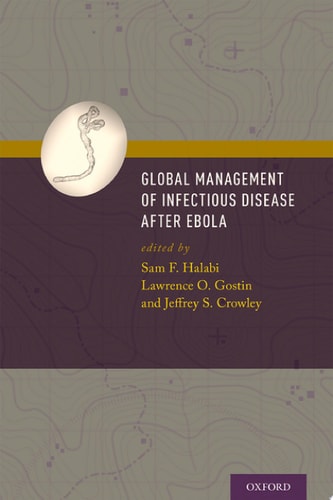
Global Management of Infectious Disease After Ebola
0
0
As an Amazon Associate and affiliate partner, Menrva Books earns from qualifying purchases. Learn more
Author Description
The 2014-2015 Ebola outbreak in West Africa shocked the world with its devastation and its rapid migration to multiple continents. As the systems meant to respond to this sort of epidemic failed, the disease exposed not just weaknesses in international infectious disease surveillance and management, but the failures of governments, humanitarian organizations, and international institutions to handle the legal, ethical, and economic questions that arose with an event of this scale.Global Management of Infectious Disease After Ebola unites the insights of Ebola's first responders with those the world's foremost experts in law, economics, vaccine development, and global migration to identify missed opportunities from the Ebola crisis -- and to apply these lessons to emerging infectious disease threats. Framed with critical discussions of both the global health financing infrastructures that precipitated the response and the ethical and human rights dilemmas that resulted from it, this volume is much more than postmortem to an outbreak: it is a vital, sometimes damning examination of where we've been and where we're going in the face of emerging infectious diseases.
Menrva's Summary
THE THESIS
This volume investigates the systemic failures in international infectious disease management exposed by the 2014-2015 Ebola outbreak and proposes structural reforms for future epidemic responses. The authors, including legal scholars and public health experts, synthesize perspectives from first responders and specialists in economics, vaccine development, and human rights. They argue that the global health infrastructure requires a fundamental realignment of financing, legal frameworks, and ethical standards to effectively mitigate the risks of future emerging pathogens.
THE SCOPE MAP
What You Will Find
- Analysis of the 2014-2015 West African Ebola epidemic response
- Evaluation of international health financing and surveillance systems
- Examination of legal, ethical, and human rights dilemmas during health crises
- Strategies for vaccine development and global migration management
Scope Limits
- Does not provide a clinical guide for individual patient treatment
- Does not focus on localized medical protocols outside of international policy implications
THE AUTHORITY PERSPECTIVE
Experts recognize this text as a comprehensive interdisciplinary analysis of the intersection between global health policy and international law. Readers frequently note the academic density of the prose, which serves as a critical resource for policymakers and public health researchers evaluating institutional preparedness.
Page Count:
312
Publication Date:
2016-10-26
Publisher:
Oxford University Press
ISBN-10:
0190604883
ISBN-13:
9780190604882
International Law
Global Health
Allied Health
Epidemics
International Cooperation
Medical
Infectious Disease
Public Health
Epidemiology