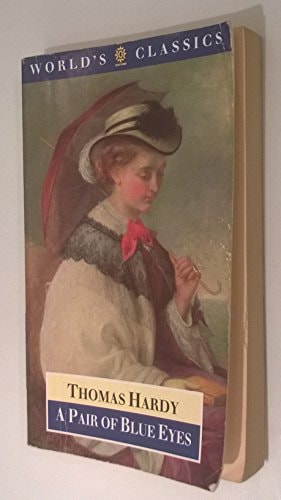
A Pair of Blue Eyes
0
0
As an Amazon Associate and affiliate partner, Menrva Books earns from qualifying purchases. Learn more
Author Description
This novel is of special interest because of the strong autobiographical parallels between the characters and circumstances of Stephen Smith and Elfride Swancourt and those of Hardy and his first wife Emma Gifford. This was the third of Hardy's novels to be published and the first to bear his name.
Menrva's Summary
THE PULSE
A young architect finds his social standing and romantic aspirations challenged when he falls for a woman from a higher class. Stephen Smith, a man of humble origins, seeks to secure his future and win the hand of Elfride Swancourt, the daughter of a rector. He faces rigid Victorian class structures and the interference of competing suitors, most notably the intellectual Henry Knight. The narrative utilizes a third-person omniscient perspective to examine the psychological tensions and social pressures exerted upon the protagonists within the rural setting of Wessex.
INSIDE THE PAGES
- Exploration of Victorian class mobility and social stratification
- Use of the love triangle as a catalyst for character conflict
- Detailed descriptions of the Wessex landscape
- Examination of the role of reputation in courtship
- Integration of autobiographical elements from the author's life
- Focus on the consequences of secrets and past deceptions
- Contrast between traditional rural values and emerging modern perspectives
- Pacing that emphasizes the slow accumulation of misunderstandings
THE COLLECTIVE ECHO
Readers frequently highlight the novel as a significant transitional work in the author's bibliography, noting its shift toward the darker themes found in his later masterpieces. Discussion often centers on the complex portrayal of Elfride Swancourt and the critique of the rigid social hierarchies that dictate the characters' choices. Critics often point to the autobiographical parallels as a key to understanding the emotional authenticity present in the romantic entanglements. The atmosphere is consistently described as melancholic, reflecting the inevitable collision between personal desire and societal expectation.
Page Count:
426
Publication Date:
1985-08-29
Publisher:
Oxford University Press
ISBN-10:
0192816845
ISBN-13:
9780192816849
Romance
Tragedy
Wessex England
Social Realism
Classic Literature
Victorian
England
Community Tags
Other Editions(25)
Alpha Edition
2023
Default edition
Standard Ebooks
2023

Creative Media Partners, LLC
2022

Independently Published
2021
Independently Published
2021
Independently Published
2020

Independently Published
2020
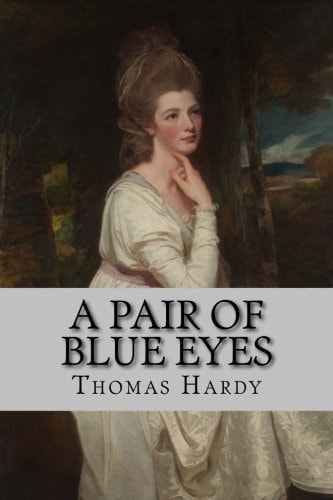
CreateSpace Independent Publishing Platform
2018

CreateSpace Independent Publishing Platform
2017

CreateSpace Independent Publishing Platform
2017

CreateSpace Independent Publishing Platform
2017

CreateSpace Independent Publishing Platform
2017

CreateSpace Independent Publishing Platform
2016

CreateSpace Independent Publishing Platform
2015

CreateSpace Independent Publishing Platform
2013

Classic Books
2013
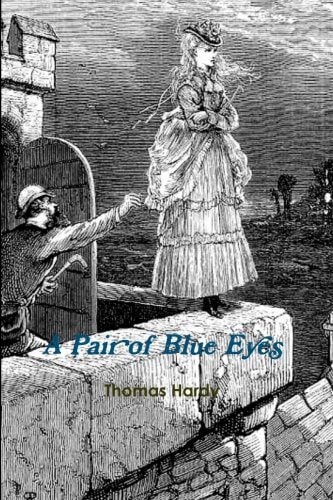
CreateSpace Independent Publishing Platform
2012
Hard Press
2010

Cornell University Library
2009
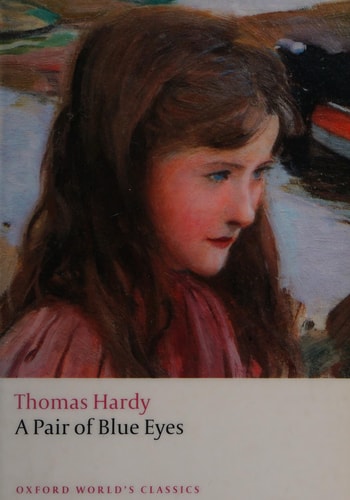
Oxford University Press
2009
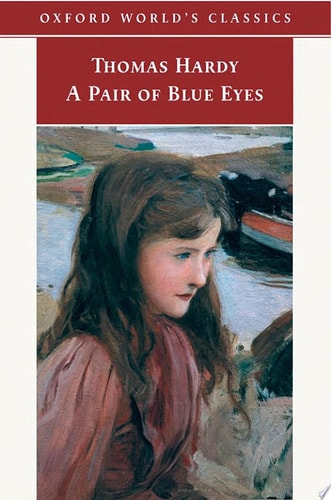
Oxford University Press, UK
2005

1st World Publishing
2004
Oxford University Press
1985
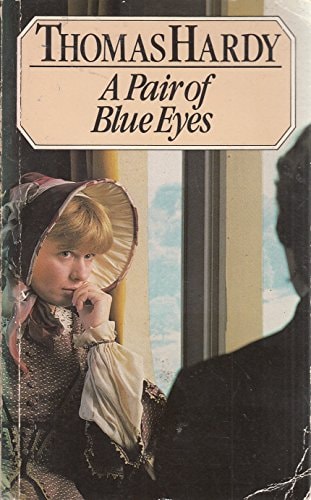
Macmillan
1975
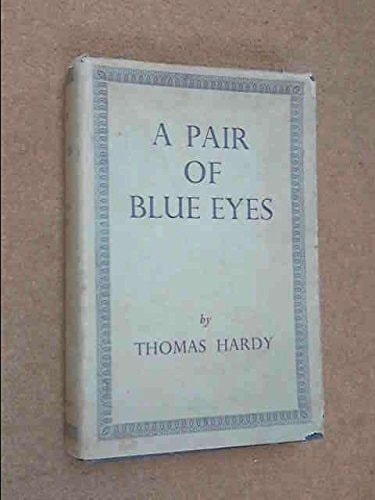
Macmillan
1972
Similar Books

Reader Comments
Share Your Thoughts
No comments yet. Be the first to share your thoughts!