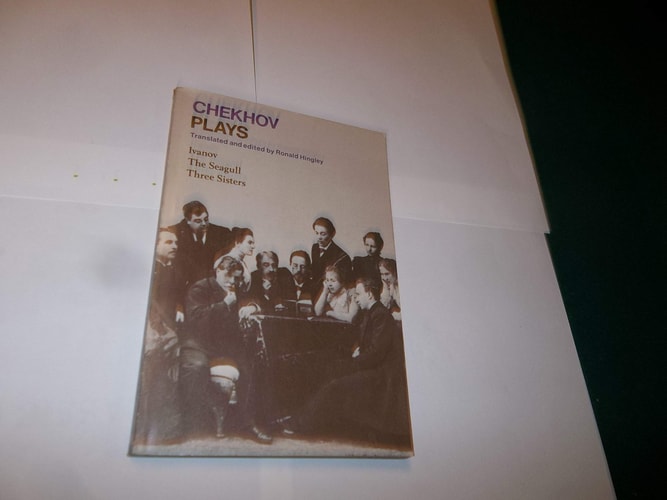
Ivanov, The Seagull and Three Sisters
0
0
As an Amazon Associate and affiliate partner, Menrva Books earns from qualifying purchases. Learn more
Author Description
Text: English (translation)Original Language: Russian
Menrva's Summary
THE PULSE
The central conflict involves the struggle of individuals trapped by social stagnation, unfulfilled desires, and the inevitable decay of their aristocratic lifestyles. Chekhov presents characters who grapple with the discrepancy between their internal aspirations and the mundane reality of their daily existence. In Ivanov, the protagonist faces a crisis of purpose and moral exhaustion, while The Seagull examines the destructive nature of artistic ambition and unrequited affection. Three Sisters focuses on the Prozorov siblings' yearning for a return to Moscow, a goal that remains perpetually out of reach due to their own inertia and the changing socio-political landscape. The narrative framework utilizes naturalistic dialogue to reveal the psychological depth of characters who often fail to communicate their true intentions.
INSIDE THE PAGES
- Use of subtext to convey unspoken emotional states
- Focus on the decline of the Russian landed gentry
- Integration of tragic and comedic elements within a single scene
- Emphasis on atmosphere over traditional plot progression
- Exploration of existential boredom and professional disillusionment
- Character-driven narrative structure
- Symbolism used to represent lost dreams and artistic failure
- Realistic depiction of provincial life in late 19th-century Russia
THE COLLECTIVE ECHO
Readers and critics frequently highlight Chekhov's ability to capture the quiet desperation of the human condition without relying on overt melodrama. Discussion often centers on the nuanced pacing of his plays, which requires actors and directors to find meaning in the pauses and silences between lines. Scholars emphasize the structural innovation of these works, noting how they shifted the focus of theater toward psychological realism rather than external action. The balance of character development is consistently praised for its complexity, as the figures often appear contradictory and flawed. Many readers find that the themes of missed opportunities and the passage of time remain relevant across different cultural contexts.
Page Count:
189
Publication Date:
1968-01-01
Publisher:
Oxford Univ Pr
ISBN-10:
0192810324
ISBN-13:
9780192810328
Drama
Russian
Classic Literature
Dramatic works
Tragicomedy
Plays
Community Tags
Similar Books