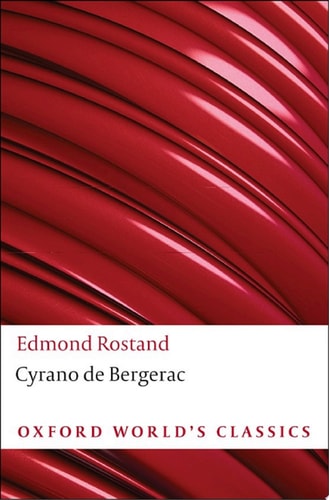
Cyrano de Bergerac: A Heroic Comedy in Five Acts
0
0
As an Amazon Associate and affiliate partner, Menrva Books earns from qualifying purchases. Learn more
Author Description
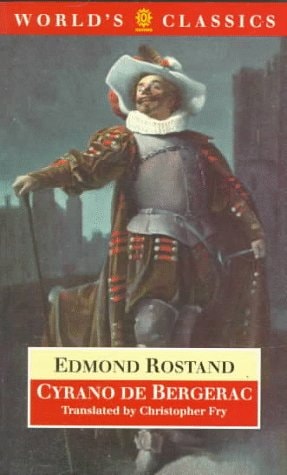
Tonight When I make my sweeping bow at heaven's gate, One thing I shall still possess, at any rate, Unscathed, something outlasting mortal flesh, And that is... My panache.' The first English translation of Cyrano de Bergerac, in 1898, introduced the word panache into the English language. This single word summed up Rostand's rejection of the social realism which dominated late nineteenth-century theatre. He wrote his `heroic comedy', unfashionably, in verse, and set it in the reign of Louis XIII and the Three Musketeers. Based on the life of a little known writer, Rostand's hero has become a figure of theatrical legend: Cyrano, with the nose of a clown and the soul of a poet, is by turns comic and sad, as reckless in love as in war, and never at a loss for words. Audiences immediately took him to their hearts, and since the triumphant opening night in December 1897 - at the height of the Dreyfus Affair - the play has never lost its appeal. The text is accompanied by notes and a full introduction which sets the play in its literary and historical context. Christopher Fry's acclaimed translation into `chiming couplets' represents the homage of one verse dramatist to another. ABOUT THE SERIES: For over 100 years Oxford World's Classics has made available the widest range of literature from around the globe. Each affordable volume reflects Oxford's commitment to scholarship, providing the most accurate text plus a wealth of other valuable features, including expert introductions by leading authorities, helpful notes to clarify the text, up-to-date bibliographies for further study, and much more.
Menrva's Summary
THE PULSE
Cyrano de Bergerac, a brilliant poet and soldier burdened by an oversized nose, must navigate his unrequited love for the beautiful Roxane while acting as a proxy for a handsome but inarticulate rival. Driven by a fierce sense of honor and a quick wit, Cyrano channels his romantic longing into eloquent letters written on behalf of Christian, the man Roxane believes she loves. The narrative unfolds through a series of dramatic encounters in 17th-century France, where the protagonist faces the dual pressures of societal vanity and the harsh realities of war. Written in verse, the play explores the tension between external appearance and internal nobility, utilizing a structure that balances comedic banter with profound melancholy. The protagonist’s objective remains the preservation of his integrity and the happiness of the woman he loves, even at the cost of his own fulfillment.
INSIDE THE PAGES
- Verse-based dialogue written in rhyming couplets
- Historical setting during the reign of Louis XIII
- Themes of unrequited love and self-sacrifice
- Exploration of the concept of panache
- Use of dramatic irony regarding the identity of the letter writer
- Blend of slapstick comedy and tragic romance
- Character-driven narrative focusing on the protagonist's internal conflict
- Exploration of the contrast between physical appearance and intellectual depth
THE COLLECTIVE ECHO
Discussion often centers on the enduring appeal of Cyrano as a tragicomic figure who embodies both vulnerability and bravado. Readers frequently highlight the linguistic dexterity of the verse, noting how the translation captures the rhythmic energy of the original French text. Critics often examine the play's rejection of contemporary realism, praising its commitment to a heightened, romanticized theatrical style. The balance between the protagonist's sharp-tongued wit and his deep emotional isolation remains a primary focus for those analyzing the work's lasting impact. Many audiences find the exploration of identity and the nature of love to be as relevant today as it was during the play's initial debut.
Page Count:
193
Publication Date:
1998-01-01
Publisher:
OUP Oxford
ISBN-10:
0191605751
ISBN-13:
9780191605758
Romance
Drama
Historical Fiction
Special Topics
Comedy
Play
Theatre
Humanities
Dramatic works
Classic Literature
Community Tags
Other Editions(3)

Similar Books

Reader Comments
Share Your Thoughts
No comments yet. Be the first to share your thoughts!