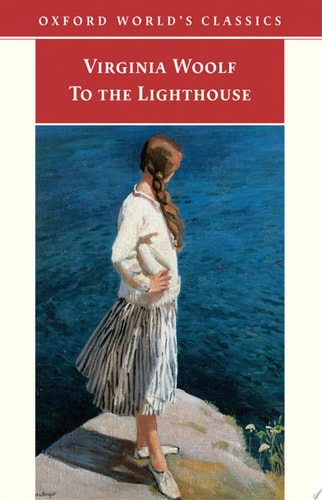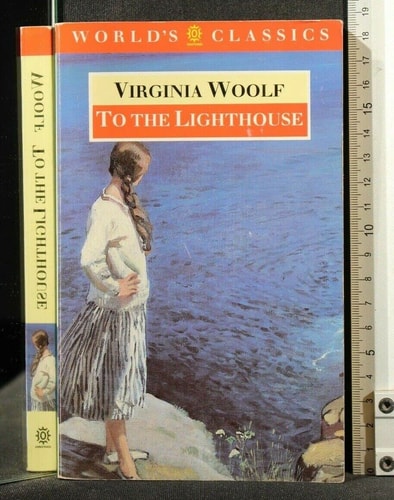
To the Lighthouse
0
0
As an Amazon Associate and affiliate partner, Menrva Books earns from qualifying purchases. Learn more
Author Description
To the Lighthouse features the serene and maternal Mrs. Ramsay, the tragic yet absurd Mr. Ramsay, and their children and assorted guests who are on holiday on the Isle of Skye. From the seemingly trivial postponement of a visit to a nearby lighthouse, Virginia Woolf constructs a moving examination of the complex tensions and allegiances of family life and the conflicts within a marriage.
Menrva's Summary
THE PULSE
The central conflict arises from the Ramsay family's planned excursion to a lighthouse, a simple event that serves as a catalyst for deep introspection and the unraveling of interpersonal dynamics. The narrative follows the Ramsay family and their guests during two separate summer holidays on the Isle of Skye, separated by a decade of profound change. Virginia Woolf employs a stream-of-consciousness technique to explore the internal lives of her characters, focusing on their shifting perceptions of time, art, and human connection. The story is constrained by the domestic setting of the summer house, which acts as a stage for the subtle power struggles and unspoken emotional currents between the characters.
INSIDE THE PAGES
- Stream-of-consciousness narrative style
- Non-linear progression of time
- Focus on internal monologue over external action
- Exploration of the passage of time and mortality
- Symbolism of the lighthouse as an unattainable goal
- Examination of gender roles and domestic expectations
- Impressionistic descriptions of the natural world
- Structural division into three distinct parts
THE COLLECTIVE ECHO
Discussion often centers on Woolf's innovative use of interiority to capture the fleeting nature of human experience. Readers frequently highlight the stark contrast between the lyrical, descriptive prose of the middle section and the character-driven intensity of the bookends. Critics often point to the work as a definitive example of modernist experimentation, noting how it prioritizes psychological depth over traditional plot progression. Many readers find the atmospheric quality of the setting to be as significant as the characters themselves, creating a sense of intimacy that persists long after the final page. The book remains a frequent subject of analysis regarding its portrayal of marriage and the artistic process.
Page Count:
285
Publication Date:
1992-01-01
Publisher:
Oxford University Press España, S.A.
ISBN-10:
0192818163
ISBN-13:
9780192818164
Literary Fiction
Psychological
Modernist
classic
Married People
England
Community Tags
Other Editions(2)
Similar Books