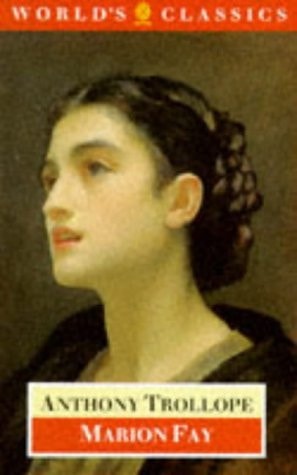
Marion Fay
0
0
As an Amazon Associate and affiliate partner, Menrva Books earns from qualifying purchases. Learn more
Author Description
First published in serial form in the Graphic (1881-2), Marion Fay is half tragedy, half romantic burlesque, and one of Trollope's most detailed scrutinies of the workings of the English class system. Based on the first three-volume edition of 1882, the novel contrasts two love affairs, each involving an aristocrat and a commoner. Trollope vividly evokes the dull working lives, plain homes, blank streets, and limited horizons of the dwellers in Paradise Row, using them as an ironic choric commentary on the unattainable world of rank, wealth, and freedom, symbolized by life in the great country houses.
Menrva's Summary
THE PULSE
The central conflict arises from the rigid social stratification of Victorian England, which threatens the viability of two cross-class romantic unions. The narrative follows the lives of individuals from disparate social spheres as they navigate the expectations of their respective classes. Trollope utilizes a third-person omniscient perspective to examine the internal motivations of his characters while contrasting the opulent lives of the aristocracy with the constrained existence of those in Paradise Row. The story functions as a social critique, pitting individual desire against the immovable structures of rank and wealth.
INSIDE THE PAGES
- Dual-plot structure contrasting two distinct romantic pairings
- Detailed examination of the English class system
- Use of Paradise Row as a setting for ironic choric commentary
- Exploration of the divide between aristocratic freedom and working-class limitation
- Third-person omniscient narrative voice
- Realistic depiction of Victorian domestic life
- Satirical elements blended with tragic undertones
- Focus on the social consequences of marriage across class lines
THE COLLECTIVE ECHO
Readers and critics often note the precision with which Trollope dissects the social hierarchies of his era. Discussion frequently centers on the author's ability to balance the romantic elements of the plot with a sharp, ironic commentary on the limitations of the working class. Many highlight the effectiveness of the setting in Paradise Row as a device to ground the more abstract themes of wealth and status. The pacing is described as deliberate, reflecting the author's commitment to a detailed and realistic portrayal of his characters' environments. This work is frequently cited for its nuanced approach to the social pressures that dictate personal choices in the nineteenth century.
Page Count:
592
Publication Date:
1992-08-20
Publisher:
Oxford University Press
ISBN-10:
019282855X
ISBN-13:
9780192828552
Romance
Victorian
Classic Literature
Great Britain
Realism
Social Commentary
Community Tags
Other Editions(27)

Creative Media Partners, LLC
2022
Default edition
Independently Published
2021
Independently Published
2021

Lindhardt og Ringhof
2021
Independently Published
2021
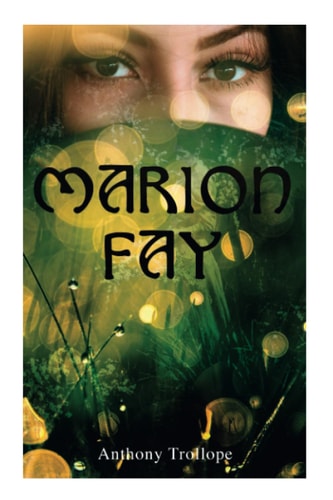
E-Artnow
2020
Independently Published
2020

Creative Media Partners, LLC
2019

Independently Published
2018

CreateSpace Independent Publishing Platform
2018

CreateSpace Independent Publishing Platform
2018

CreateSpace Independent Publishing Platform
2018

BoD – Books on Demand
2018

CreateSpace Independent Publishing Platform
2018
CreateSpace Independent Publishing Platform
2017

CreateSpace Independent Publishing Platform
2017
CreateSpace Independent Publishing Platform
2017

CreateSpace Independent Publishing Platform
2017

Creative Media Partners, LLC
2016

CreateSpace Independent Publishing Platform
2015

CreateSpace Independent Publishing Platform
2015
CreateSpace Independent Publishing Platform
2012

Nabu Press
2011
General Books LLC
2010

Norilana Books
2010
General Books LLC
2010
Oxford University Press
1992
Similar Books

Reader Comments
Share Your Thoughts
No comments yet. Be the first to share your thoughts!