Behavioural Responses to a Changing World
0
0
As an Amazon Associate and affiliate partner, Menrva Books earns from qualifying purchases. Learn more
Author Description
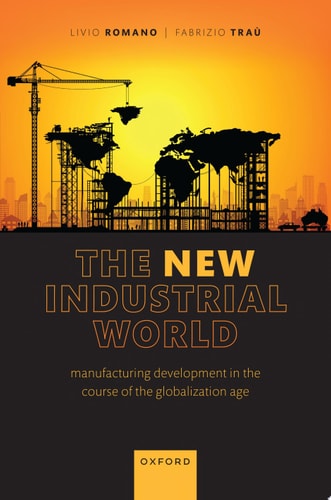
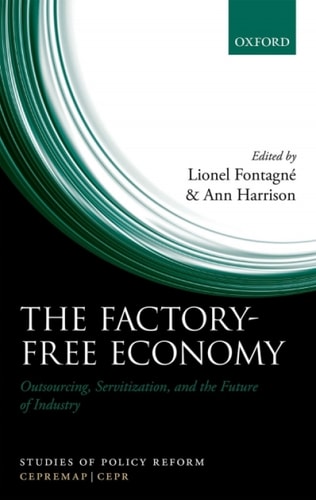
This Book Is About Industrial Development In The Years Of Globalization, Focussing Upon The Spreading Of Manufacturing Activities Beyond The Boundaries Of The Advanced Economies. This Event Has Completely Changed The Nature Of The Relationship Between The North And The South Of The World, Linking Them Together For The Very First Time On Productive Grounds Through The Development Of Global Value Chains. This Process Has Been Favoured By The Emerging Of A New Paradigm (what In The Book Is Called The Globalization Age - Ga) Grounded Upon Market Liberalization All Across The World, Giving Multilateral Trade (i.e. External Demand) A Key Role As The Main Driver Of Growth At The Global Level. Even If The Ga Has Represented The Fuel Of Growth Over The Last Decades, The Countries That Have Emerged The Most As New Manufacturers Found Their Way By Becoming Competitive Before Opening To The Market, Through A Constant Search For Dynamic Comparative Advantages Pursued Through Active, Selective And Conditional Investment Policies. The Ga Has Now Come To An End, Exhausting For Endogenous Reasons. Starting With The Great Financial Crisis That Hit The World At The End Of The First Decade Of The 2000s, A New Normal Has Emerged, The Basic Features Of Which Can Be Found In A Slowdown Of Manufacturing Growth Rates, And In The Comeback Of Distance As A Key Determinant Of Economic Behaviour. Such Changes Have Been Furtherly Enhanced By The Upsurge, In Later Years, Of Exogenous Shocks Such As The Pandemic And Russian-ukrainian War
Menrva's Summary
THE THESIS
This book investigates the structural shift in global manufacturing and economic development following the decline of the Globalization Age (GA) paradigm. The authors analyze how the transition from rapid, trade-driven growth to a 'new normal'—characterized by slower manufacturing rates and the re-emergence of geographic distance as a critical economic factor—has reshaped the relationship between advanced and emerging economies. By examining the historical reliance on market liberalization and the subsequent impact of exogenous shocks like the pandemic and geopolitical conflict, the text provides a framework for understanding current global economic instability.
THE SCOPE MAP
What You Will Find
- Analysis of the shift from global value chains to localized manufacturing models.
- Evaluation of active, selective, and conditional investment policies in emerging economies.
- Examination of the impact of the 2008 financial crisis, the COVID-19 pandemic, and the Russia-Ukraine war on global trade.
Scope Limits
- The text does not provide specific micro-level corporate strategies for individual firms.
- It does not offer long-term predictive modeling for future geopolitical outcomes.
THE AUTHORITY PERSPECTIVE
Experts identify this work as a critical examination of the post-globalization economic landscape. Readers frequently note the analytical density of the prose, which serves as a rigorous assessment of contemporary macroeconomic trends.
Page Count:
384
Publication Date:
2024-08-16
Publisher:
Oxford University Press
ISBN-10:
019285898X
ISBN-13:
9780192858986
Economics
Manufacturing
Globalization
International Trade
Community Tags
Similar Books