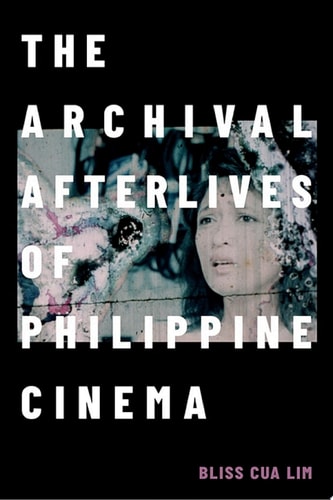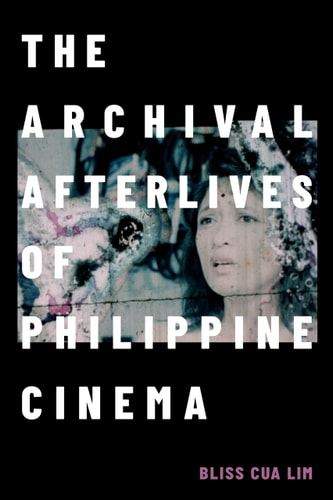
The Archival Afterlives of Philippine Cinema
0
0
As an Amazon Associate and affiliate partner, Menrva Books earns from qualifying purchases. Learn more
Author Description
Drawing on cultural policy, queer and feminist theory, materialist media studies, and postcolonial historiography, Bliss Cua Lim analyzes the crisis-ridden history of Philippine film archiving—a history of lost films, limited access, and collapsed archives. Rather than denigrate underfunded Philippine audiovisual archives in contrast to institutions in the global North, The Archival Afterlives of Philippine Cinema shows how archival practices of making do can inspire alternative theoretical and historical approaches to cinema. Lim examines formal state and corporate archives, analyzing restorations of the last nitrate film and a star-studded lesbian classic as well as archiving under the Marcos dictatorship. She also foregrounds informal archival efforts: a cinephilic video store specializing in vintage Tagalog classics; a microcuratorial initiative for experimental films; and guerilla screenings for rural Visayan audiences. Throughout, Lim centers the improvisational creativity of audiovisual archivists, collectors, advocates, and amateurs who embrace imperfect access in the face of inhospitable conditions.
Menrva's Summary
THE THESIS
The Archival Afterlives of Philippine Cinema investigates the challenges and innovations within Philippine film archiving, focusing on its crisis-ridden history of lost films, limited access, and collapsed archives. The book moves beyond a critique of underfunded institutions, instead highlighting how resourceful archival practices can foster new theoretical and historical perspectives on cinema. It examines both formal state and corporate archives, including restorations of significant films and archiving under authoritarian regimes, while also foregrounding informal efforts by cinephiles, microcurators, and guerrilla organizers.
THE SCOPE MAP
- Analysis of formal state and corporate archives in Philippine cinema.
- Examination of restorations of the last nitrate film and a star-studded lesbian classic.
- Study of archival practices during the Marcos dictatorship.
- Exploration of informal archival efforts, including cinephilic video stores.
- Focus on microcuratorial initiatives for experimental films.
- Discussion of guerrilla screenings for rural Visayan audiences.
- Centering the improvisational creativity of audiovisual archivists, collectors, advocates, and amateurs.
- Application of cultural policy, queer and feminist theory, materialist media studies, and postcolonial historiography.
THE AUTHORITY PERSPECTIVE
This work is positioned as a significant contribution to the study of film archiving, particularly within a postcolonial context. By analyzing the improvisational creativity of archivists in the face of inhospitable conditions, the book offers alternative theoretical and historical approaches to cinema. It is likely to be of interest to scholars in film studies, archival science, cultural studies, and those focused on Southeast Asian cinema.
Page Count:
399
Publication Date:
2024-02-09
Publisher:
Duke University Press
ISBN-10:
1478025735
ISBN-13:
9781478025733
Art
Non-Fiction
History
Film Studies
Queer Theory
Feminist Theory