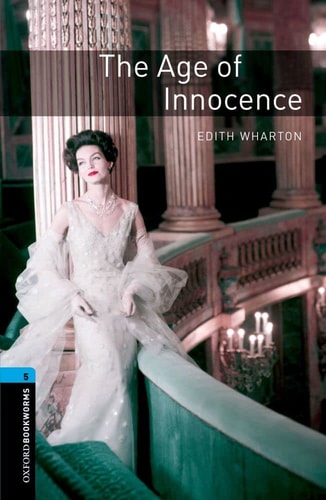
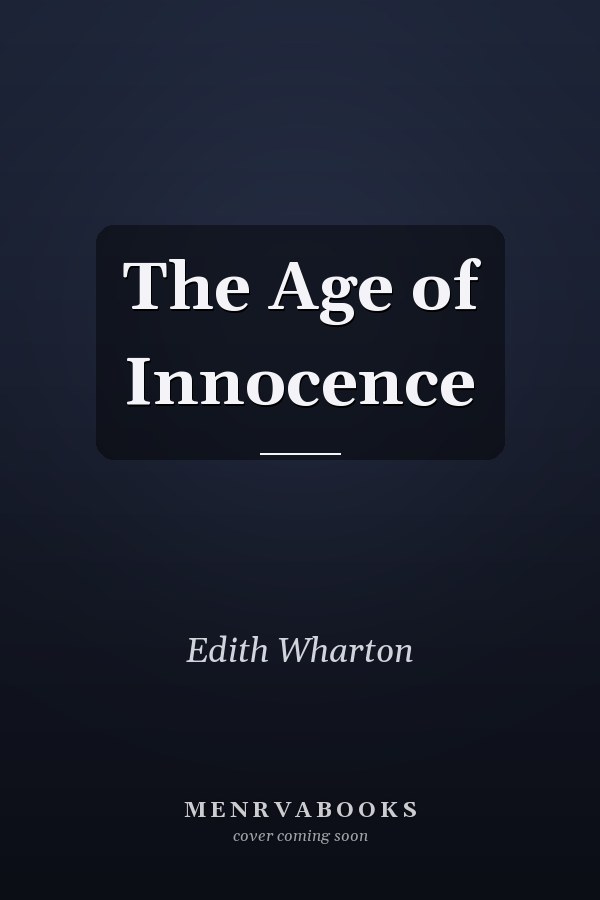
The Age of Innocence
0
0
As an Amazon Associate and affiliate partner, Menrva Books earns from qualifying purchases. Learn more
Author Description
This award-winning collection of adapted classic literature and original stories develops reading skills for low-beginning through advanced students.Accessible language and carefully controlled vocabulary build students' reading confidence.Introductions at the beginning of each story, illustrations throughout, and glossaries help build comprehension.Before, during, and after reading activities included in the back of each book strengthen student comprehension.Audio versions of selected titles provide great models of intonation and pronunciation of difficult words.
Menrva's Summary
THE PULSE
Newland Archer finds his orderly life in high-society New York disrupted by the arrival of the unconventional Countess Ellen Olenska. Bound by the rigid social codes of the Gilded Age, Archer struggles to reconcile his duty to his conventional fiancée, May Welland, with his growing intellectual and emotional connection to Ellen. The narrative explores the tension between individual desire and the suffocating expectations of a status-obsessed society. Through a third-person perspective, the story examines the psychological constraints placed upon individuals within a stratified social hierarchy.
INSIDE THE PAGES
- Detailed depiction of 1870s New York social rituals and etiquette
- Exploration of the conflict between personal freedom and social obligation
- Use of irony to critique the hypocrisy of the upper class
- Carefully adapted vocabulary for language learners at the Stage 5 level
- Inclusion of introductory context to assist reader comprehension
- Integration of glossaries for challenging period-specific terminology
- Structured reading activities designed to reinforce narrative analysis
- Visual illustrations that provide historical context for the setting
THE COLLECTIVE ECHO
Readers frequently highlight the effectiveness of this adaptation in maintaining the core thematic tension of the original work while ensuring accessibility. Discussion often centers on the stark contrast between the characters of May Welland and Ellen Olenska as symbols of societal conformity and individual liberation. Critics note that the pacing remains deliberate, reflecting the slow-moving social machinery of the period. The work is widely regarded as a successful bridge for students seeking to engage with complex literary themes through controlled language. Readers appreciate how the supplementary materials provide necessary historical context for understanding the rigid constraints of the Gilded Age.
Page Count:
104
Publication Date:
2008-03-15
Publisher:
Oxford University Press
ISBN-10:
0194792161
ISBN-13:
9780194792165
Romance
Classic Literature
Historical
New York
Married People
Educational
Community Tags
Other Editions(61)
Book Sales, Incorporated
2026
Default edition
Alicia Editions
2024

BoD - Books on Demand
2023
Digibooks OOD
2022

Independently Published
2021

Independently Published
2021

Mint Editions
2021

Amazon Digital Services LLC - KDP Print US
2021
Mint Editions
2021
Independently Published
2021

Independently Published
2020

Independently Published
2020
Independently Published
2019
Astral International Pvt. Limited
2019
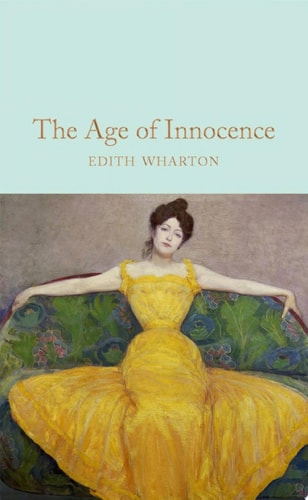
Pan Macmillan
2019
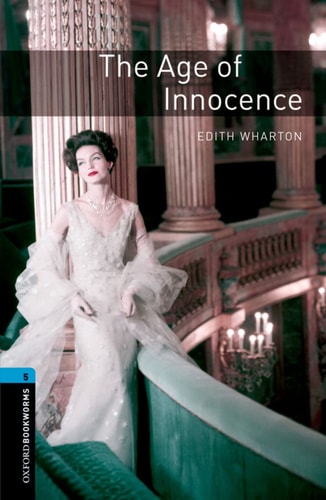
Oxford University Press España, S.A.
2018
Barnes & Noble Press
2018

CreateSpace Independent Publishing Platform
2017
CreateSpace Independent Publishing Platform
2017

CreateSpace Independent Publishing Platform
2017
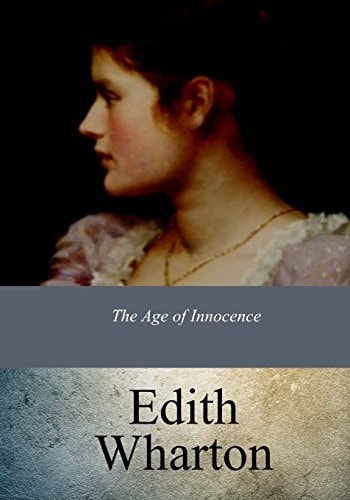
CreateSpace Independent Publishing Platform
2017
CreateSpace Independent Publishing Platform
2017
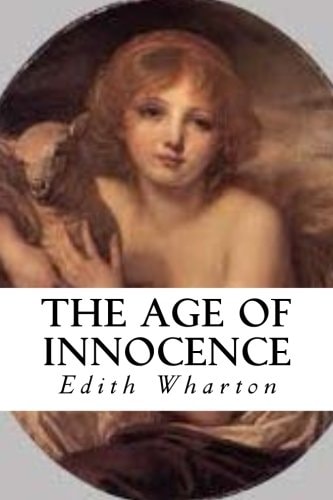
CreateSpace Independent Publishing Platform
2017
Little, Brown Book Group
2017

CreateSpace Independent Publishing Platform
2017

CreateSpace Independent Publishing Platform
2016
CreateSpace Independent Publishing Platform
2016
CreateSpace Independent Publishing Platform
2016

CreateSpace Independent Publishing Platform
2016

CreateSpace Independent Publishing Platform
2016

CreateSpace Independent Publishing Platform
2016
CreateSpace Independent Publishing Platform
2016

CreateSpace Independent Publishing Platform
2016
CreateSpace Independent Publishing Platform
2016

CreateSpace Independent Publishing Platform
2015
CreateSpace Independent Publishing Platform
2015
CreateSpace Independent Publishing Platform
2015
CreateSpace Independent Publishing Platform
2014
Canterbury Classics
2014

CreateSpace Independent Publishing Platform
2014
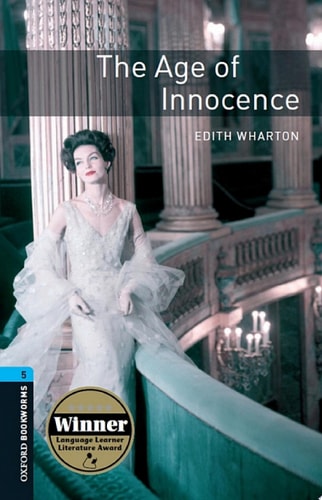
Oxford University Press
2012
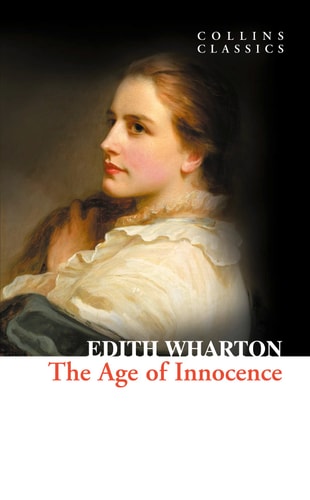
HarperCollins Publishers Limited
2010
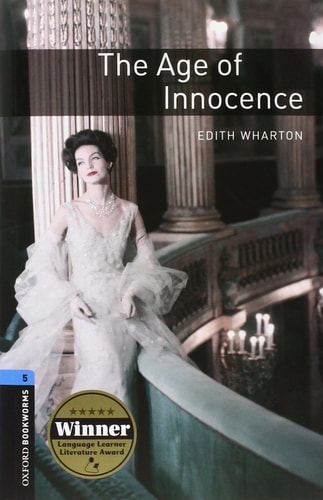
Oxford University Press
2009

Wheeler Pub.
2009
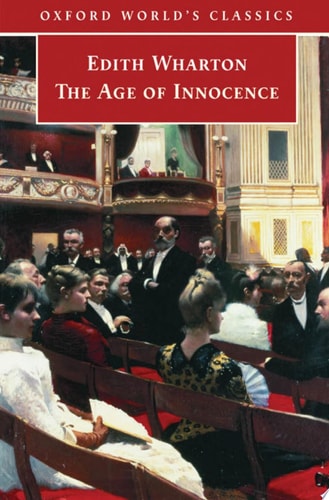
Oxford University Press
2008

Random House UK
2008
Oxford University Press
2008
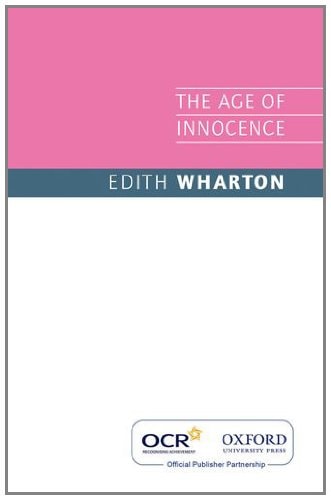
Oxford University Press
2008

HV Publishign, a division of Homepage Ventures, Limited
2008
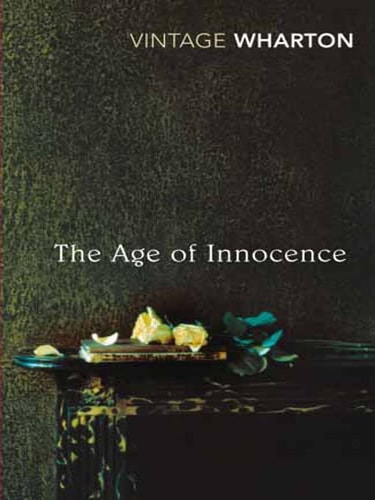
Random House Publishing Group
2008
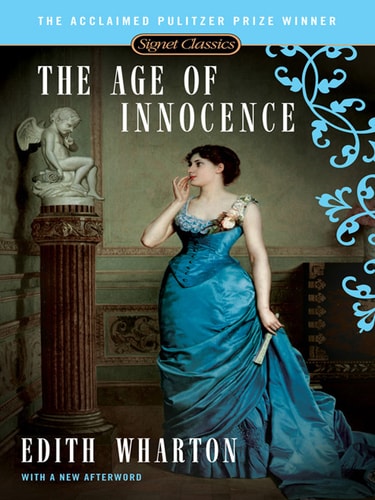
Penguin Group USA, Inc.
2008

BBC Audiobooks
2008
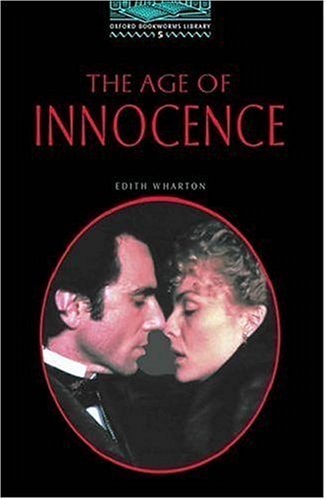
Oxford University Press
2007

Echo Library
2006
ICON Classics
2005
Barnes & Noble World Digital Library
2003
North Books
1999
Brilliance Corp
1997

Penguin
1996
Penguin Books
1974
CreateSpace Independent Publishing Platform
1953
Similar Books
Reader Comments
Share Your Thoughts
No comments yet. Be the first to share your thoughts!