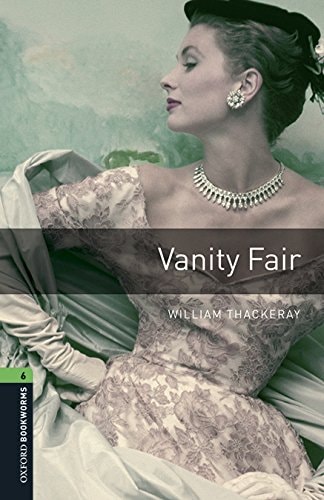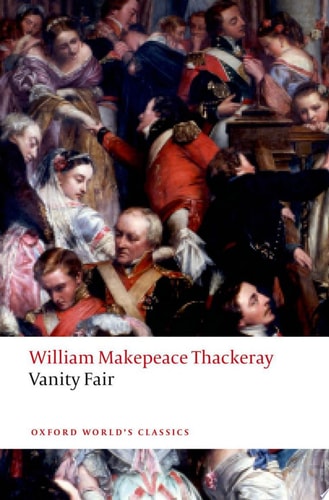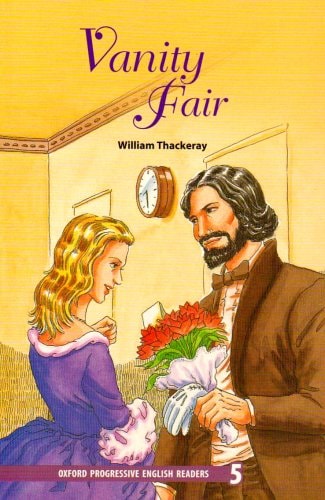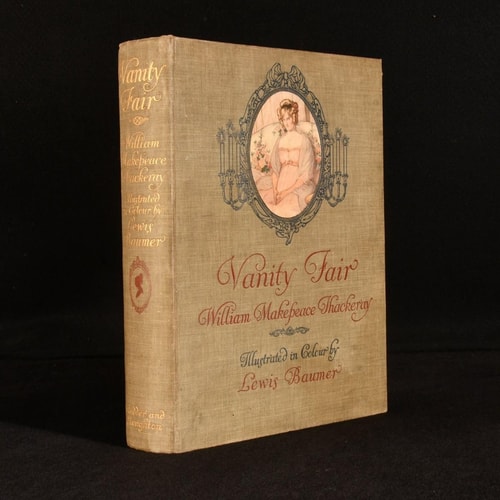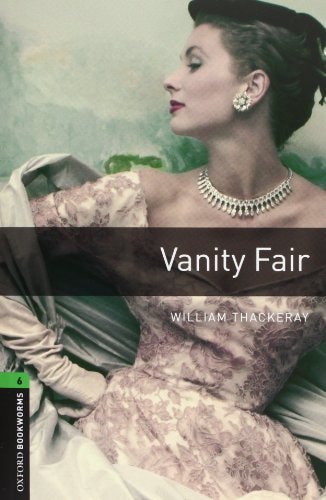
Vanity Fair
0
0
As an Amazon Associate and affiliate partner, Menrva Books earns from qualifying purchases. Learn more
Author Description
When Becky Sharp and Amelia Sedley leave school, their feet are set on very different paths. Kind, foolish Amelia returns to her comfortable home and wealthy family, to await a suitable marriage, while Becky must look out for herself, earning her own living in a hard world. But Becky is neither kind nor foolish, and with her quick brain and keen eye for a chance, her fortunes soon rise, while Amelia's fall. Greed, ambition, loyalty, folly, wisdom... Thackeray's famous novel gives us a witty and satirical picture of English society during the Napoleonic wars.
Menrva's Summary
THE PULSE
The social ascent of the cunning Becky Sharp collides with the declining fortunes of the gentle Amelia Sedley against the backdrop of the Napoleonic Wars. Becky Sharp, an impoverished orphan, utilizes her intellect and social maneuvering to climb the rigid hierarchy of 19th-century English society. Her objective is to secure wealth and status, often at the expense of those around her, including her naive friend Amelia Sedley. The narrative employs a third-person omniscient narrator who frequently interrupts the action to offer moral commentary on the characters' behaviors. The world is defined by strict class boundaries, financial instability, and the looming threat of continental conflict.
INSIDE THE PAGES
- Omniscient narrator providing moral commentary
- Satirical portrayal of the British upper class
- Contrast between the protagonist's ambition and the antagonist's passivity
- Detailed depiction of 19th-century social customs
- Non-linear progression of character fortunes
- Focus on the influence of money and status on human relationships
- Use of irony to expose hypocrisy
- Episodic structure reflecting the sprawling nature of the era
THE COLLECTIVE ECHO
Discussion often centers on the complexity of Becky Sharp as an anti-heroine who defies the traditional expectations of Victorian femininity. Readers frequently highlight the sharpness of Thackeray's wit and his ability to maintain a cynical yet engaging tone throughout the lengthy narrative. Critics often point to the balance between the intimate domestic drama and the broader historical context of the Napoleonic era as a defining feature of the work. The effectiveness of the world-building is frequently noted for its biting accuracy regarding the vanity and greed inherent in the social climbing of the period. Readers often find the narrator's intrusive presence to be a unique stylistic choice that forces them to constantly re-evaluate their judgment of the characters.
Page Count:
860
Publication Date:
2011-10-01
Publisher:
Oxford University Press
ISBN-10:
0194794628
ISBN-13:
9780194794626
Satire
New Used & Rental Textbooks
Victorian
classic
Historical
Social Commentary