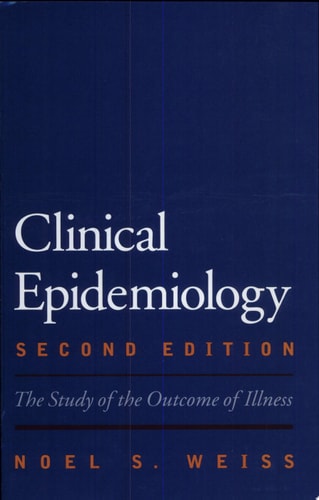
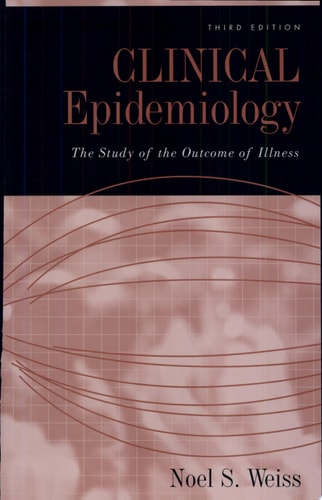
Clinical Epidemiology: The Study of the Outcome of Illness
0
0
As an Amazon Associate and affiliate partner, Menrva Books earns from qualifying purchases. Learn more
Author Description
Examining the principles and methods of research on the evaluation of factors affecting the outcome of illness, this volume emphasizes diagnostic and therapeutic interventions--the factors most readily modified by health care providers. The author discusses various ways of structuring observations on patient groups, and appraises the nature and strength of inferences drawn from those observations. Weiss also demonstrates how the results of this type of research--clinical epidemiologic research--can be incorporated into the decision-making process utilized in clinical medicine.The Second edition differs from the earlier one in a number of respects. It now employs a broader frame of reference, which includes studies such as those of adverse drug effects that use multipurpose computerized databases, and an expanded, explanation of the structure of evidence for drawing inferences, particularly evidence pertaining to the efficacy of testing. Examples have been modernized and replaced with more recent experimental results throughout the text, while decision analysis has been de-emphasized. The book's underlying theme, however, remains the same: the resources available to health care are finite and, through properly conducted research, the most efficient and safest ways of using these resources can and should be identified.
Menrva's Summary
THE THESIS
This volume investigates the methodological principles required to evaluate factors that influence the clinical outcomes of illness. Dr. Noel S. Weiss, an expert in epidemiology, provides a rigorous framework for structuring patient observations and assessing the validity of inferences drawn from clinical data. The text argues that by applying systematic research methods, health care providers can optimize the use of finite medical resources to improve patient safety and treatment efficacy.
THE SCOPE MAP
What You Will Find
- Methodologies for evaluating diagnostic and therapeutic interventions in clinical settings.
- Frameworks for interpreting evidence from multipurpose computerized databases.
- Analysis of adverse drug effects and the efficacy of medical testing.
- Strategies for integrating clinical epidemiologic research into medical decision-making processes.
THE AUTHORITY PERSPECTIVE
Experts recognize this monograph as a foundational text for understanding the intersection of clinical practice and epidemiological research. Readers frequently note the academic density of the prose, which is tailored for professionals and students seeking a structured approach to medical evidence evaluation.
Page Count:
176
Publication Date:
1996-08-22
Publisher:
Oxford University Press
ISBN-10:
0195110269
ISBN-13:
9780195110265
Science
Clinical Research
Biostatistics
Public Health
Epidemiology
Medicine
Community Tags
Other Editions(4)

Similar Books




Reader Comments
Share Your Thoughts
No comments yet. Be the first to share your thoughts!