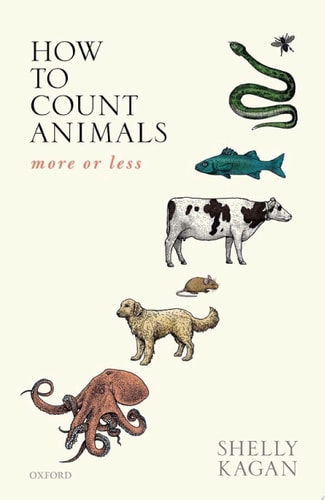
How to Count Animals, More or Less
0
0
As an Amazon Associate and affiliate partner, Menrva Books earns from qualifying purchases. Learn more
Author Description
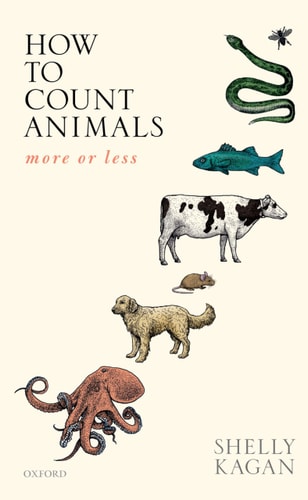
Most people agree that animals count morally. But how, exactly, should we take animals into account? According to a prominent position in contemporary philosophical discussions, animals and people have the very same moral status, so in our moral deliberations the otherwise similar interests of people and animals should be given the same weight and consideration. In How to Count Animals, more or less, Shelly Kagan rejects this view. In its place, Kagan sets out and defends a hierarchical approach, one in which people count more than animals do and some animals count more than others. Unfortunately, most moral theories have not been developed in such a way as to take into account these differences in moral status. By arguing for a hierarchical account of morality--and exploring what appropriate, status sensitive principles might look like--Kagan reveals just how much work needs to be done to arrive at an adequate view of our duties toward animals, and of morality more generally.
Menrva's Summary
THE THESIS
This book investigates the core question of how to appropriately weigh the moral status of animals in relation to humans and other species. Shelly Kagan, a professor of philosophy at Yale University, utilizes a rigorous analytical framework to challenge the prevailing egalitarian view that animals and humans possess identical moral standing. He argues for a hierarchical model of moral consideration, positing that moral status is not binary but exists on a spectrum that requires more nuanced ethical principles than current theories provide.
THE SCOPE MAP
What You Will Find
- A critique of the egalitarian approach to animal ethics
- A proposed hierarchical framework for moral status
- Exploration of status-sensitive moral principles
- Analysis of the duties humans owe to various animal species
Scope Limits
- Does not provide a comprehensive guide to animal welfare legislation
- Does not focus on the biological or evolutionary history of animal cognition
THE AUTHORITY PERSPECTIVE
Experts in the field of practical ethics recognize this work as a significant contribution to the ongoing debate regarding moral status and speciesism. Readers frequently note the academic density of the prose, which is typical of the Uehiro Series in Practical Ethics, making it a primary text for students and scholars of moral philosophy.
Page Count:
319
Publication Date:
2019-01-01
Publisher:
OUP Oxford
ISBN-10:
0192565184
ISBN-13:
9780192565181
Philosophy
Non-Fiction
Animal Rights
Moral Philosophy
Ethics
Human Relationships
Animal Welfare
Community Tags
Other Editions(4)
Similar Books