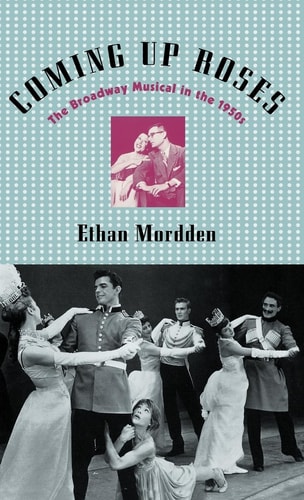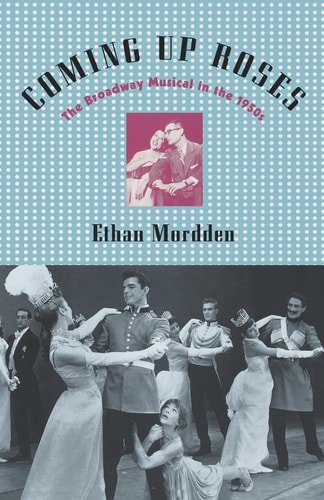
Coming Up Roses: The Broadway Musical in the 1950s
0
0
As an Amazon Associate and affiliate partner, Menrva Books earns from qualifying purchases. Learn more
Author Description
The 1950s saw an explosion in the American musical theater. The Broadway show, catapulted into the limelight in the 20s and solidified during the 40s thanks to Rodgers and Hammerstein, now entered its most revolutionary phase, brashly redefining itself and forging a new kind of storytelling. In Coming Up Roses: The Broadway Musical in the 1950s, Ethan Mordden gives us a guided tour of this rich decade.With loving detail, Mordden highlights the shift in Broadway from shows that were mere star vehicles, showcasing a big-name talent, to the bolder stories, stuffed with character and atmosphere. During this period, subject matter became more intricate, even controversial, and plots more human and complex; Mordden demonstrates how, in response, musical conventions were polished, writing became more finely crafted, and dance became truly indispensable. Along the way we meet the key players: such greats as Ethel Merman, George Abbott, Jerome Robbins, Gwen Verdon, Bob Fosse, Stephen Sondheim, Frank Loesser, Cole Porter, Leonard Bernstein, and many others. We get the backstage scoop on why Guys and Dolls is so well-made, why West Side Story is so timeless, why The King and I and Gypsy pushed the envelope, and why no one ever talks about Ankles Aweigh. All this is peppered with a dash of industry gossip--the directorial struggles, last-minute script rewrites and cast replacements, the power of the poster listings--that made Broadway so nerve-wrackingly vibrant.This passionate and informed study illuminates a crucial period in American musical theater and shows us the origins of many of the musicals recently revived to huge success on Broadway.
Menrva's Summary
THE THESIS
How did the American musical theater evolve during the 1950s to transition from star-driven vehicles into complex, character-focused narratives? Ethan Mordden, a noted historian of the American stage, examines the creative shifts and industry dynamics that defined this decade. By analyzing the transition from traditional musical structures to more sophisticated storytelling, the author argues that the 1950s served as the crucible for the modern Broadway musical.
THE SCOPE MAP
What You Will Find
- Analysis of the shift from star-centric performances to character-driven storytelling.
- Examination of the integration of dance and narrative craft in shows like West Side Story and Gypsy.
- Biographical sketches and professional contributions of key figures including Stephen Sondheim, Jerome Robbins, and Bob Fosse.
- Industry insights regarding production challenges, script development, and the commercial realities of 1950s Broadway.
THE AUTHORITY PERSPECTIVE
Critics and theater historians frequently cite this work as a comprehensive and engaging account of a pivotal era in musical theater. Readers often note the balance between technical analysis of musical structure and the inclusion of anecdotal industry history.
Page Count:
272
Publication Date:
2000-11-26
Publisher:
Oxford University Press
ISBN-10:
0195140583
ISBN-13:
9780195140583
History
Music
Theater
Broadway
Criticism history