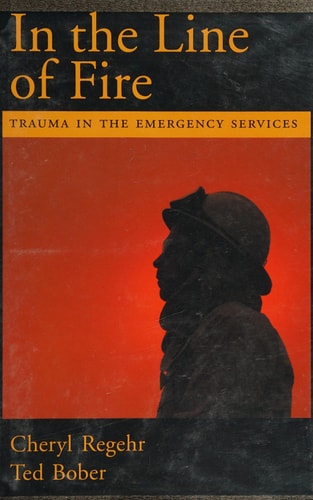
In the Line of Fire: Trauma in the Emergency Services
0
0
As an Amazon Associate and affiliate partner, Menrva Books earns from qualifying purchases. Learn more
Author Description
In the wake of disaster emergency responders are first on the scene and last to leave. They put concern for the lives of others over concern for their own lives, and work tirelessly to recover the bodies of the missing. Their heroic actions save lives, provide comfort to and care for the wounded and inspire onlookers, but at what cost to themselves? We now know that rescue workers who are exposed to mutilated bodies, mass destruction, multiple casualties, and life-threatening situations may become the hidden victims of disaster. The traumatic consequences of exposure can profoundly impact emergency responders, radiate to their families, and permeate the emergency organization. This much-needed new book, based on the authors' original research and clinical experience, describes the consequences of trauma exposure on police officers, fire fighters, and paramedics. Weaving data collected in large-scale quantitative studies with the personal stories of responders shared in qualitative interviews, this much-needed account explores the personal, organizational, and societal factors that can ameliorate or exacerbate traumatic response. Stress theory, organizational theory, crisis theory, and trauma theory provide a framework for understanding trauma responses and guiding intervention strategies. Using an ecological perspective, the authors explore interventions spanning prevention, disaster response, and follow-up, on individual, family, group, organizational, and community levels. They provide specific suggestions for planning intervention programs, developing trauma response teams, training emergency service responders and mental health professionals, and evaluating the effectiveness of services provided. Disaster, whether large-scale or small, underscores our ongoing vulnerability and the crucial need for response plans that address the health and well being of those who confront disaster on a daily basis. In the Line of Fire speaks directly to these emergency response
Menrva's Summary
THE THESIS
This book investigates the psychological and organizational impact of trauma exposure on emergency responders and evaluates effective intervention strategies to mitigate these effects. The authors, Cheryl Regehr and Ted Bober, utilize their extensive clinical experience and original research to examine the hidden costs of disaster work. By integrating quantitative data with qualitative personal narratives, they construct a comprehensive framework for understanding how trauma affects police, fire fighters, and paramedics. The text argues for an ecological approach to mental health that addresses the individual, family, and organizational levels of support.
THE SCOPE MAP
What You Will Find
- Quantitative data from large-scale studies on trauma exposure in emergency services.
- Qualitative insights derived from personal interviews with police, fire fighters, and paramedics.
- Theoretical frameworks including stress theory, organizational theory, and crisis theory.
- Practical intervention strategies for disaster response, prevention, and long-term follow-up.
THE AUTHORITY PERSPECTIVE
Experts recognize this work as a foundational text for understanding the intersection of organizational culture and individual mental health in high-stress professions. Readers frequently note the balance between academic rigor and the practical, actionable advice provided for developing trauma response teams.
Page Count:
270
Publication Date:
2005-01-06
Publisher:
Oxford University Press
ISBN-10:
0195165020
ISBN-13:
9780195165029
Psychology
Sociology
Mental Health
Introduction to Social WorkWelfare
Public Safety
Fire Fighters
Trauma
Police
Psychic Trauma
Emergency services
Community Tags
Other Editions(2)

Similar Books





Reader Comments
Share Your Thoughts
No comments yet. Be the first to share your thoughts!