Greening the Media
0
0
As an Amazon Associate and affiliate partner, Menrva Books earns from qualifying purchases. Learn more
Author Description
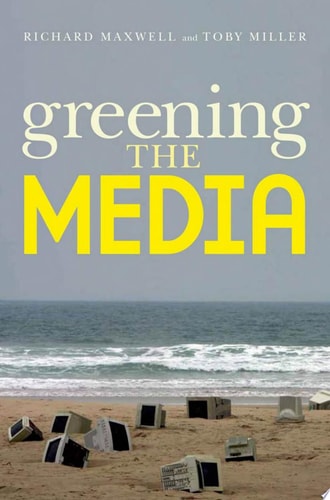
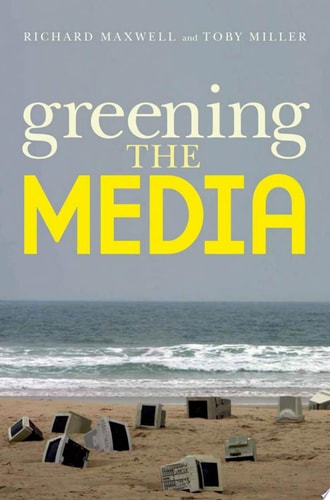
You will never look at your cell phone, TV, or computer the same way after reading this book. Greening the Media not only reveals the dirty secrets that hide inside our favorite electronic devices; it also takes apart the myths that have pushed these gadgets to the center of our lives. Marshaling an astounding array of economic, environmental, and historical facts, Maxwell and Miller debunk the idea that information and communication technologies (ICT) are clean and ecologically benign. The authors show how the physical reality of making, consuming, and discarding them is rife with toxic ingredients, poisonous working conditions, and hazardous waste. But all is not lost. As the title suggests, Maxwell and Miller dwell critically on these environmental problems in order to think creatively about ways to solve them. They enlist a range of potential allies in this effort to foster greener media--from green consumers to green citizens, with stops along the way to hear from exploited workers, celebrities, and assorted bureaucrats. Ultimately, Greening the Media rethinks the status of print and screen technologies, opening new lines of historical and social analysis of ICT, consumer electronics, and media production.
Menrva's Summary
THE THESIS
This book investigates the environmental and social costs associated with the production, consumption, and disposal of information and communication technologies. Richard Maxwell and Toby Miller, both established scholars in media and cultural studies, utilize a vast array of economic, historical, and environmental data to challenge the prevailing narrative that digital devices are ecologically benign. They argue that the lifecycle of modern electronics is inherently tied to toxic waste, hazardous labor conditions, and significant resource depletion, necessitating a critical re-evaluation of our relationship with media hardware.
THE SCOPE MAP
What You Will Find
- Analysis of the lifecycle of consumer electronics from manufacturing to disposal.
- Examination of labor conditions and toxic material exposure in the tech industry.
- Historical and economic critique of the information and communication technology sector.
- Proposed strategies for fostering sustainable media consumption and policy reform.
THE AUTHORITY PERSPECTIVE
Scholars and critics frequently cite this work as a foundational text for understanding the material reality behind digital culture. The prose is noted for its academic rigor and its success in bridging the gap between media studies and environmental science.
Page Count:
256
Publication Date:
2012-05-25
Publisher:
Oxford University Press
ISBN-10:
0195325206
ISBN-13:
9780195325201
Economics
Mass media
Public Relations
Media Studies
Sociology
Technology
Community Tags
Other Editions(3)
Similar Books