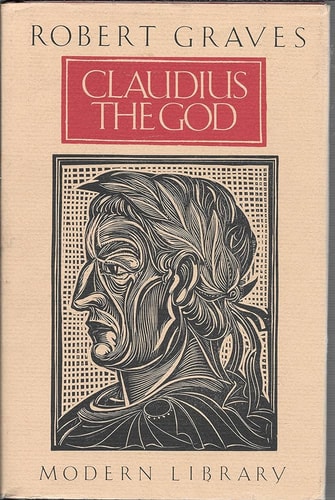
Claudius the God
0
0
As an Amazon Associate and affiliate partner, Menrva Books earns from qualifying purchases. Learn more
Author Description
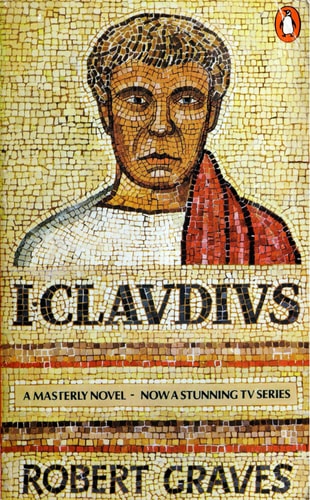
Picking up where the extraordinarily interesting I, Claudius ends, Claudius the God tells the tale of Claudius' 13-year reign as Emperor of Rome. Naturally, it ends when Claudius is murdered--believe me, it's not giving anything away to say this; the surprise is when someone doesn't get poisoned. While Claudius spends most of his time before becoming emperor tending to his books and his writings and trying to stay out of the general line of corruption and killings, his life on the throne puts him into the center of the political maelstrom.
Menrva's Summary
THE PULSE
Following his unexpected ascension to the throne, Claudius must navigate the lethal political landscape of the Roman Empire while attempting to maintain his personal integrity. Claudius, a man previously dismissed by his peers as a fool, finds himself thrust into the role of Emperor, a position that demands he manage a volatile Senate, a treacherous family, and the expansion of the Roman borders. His primary objective is to survive the constant threat of assassination while implementing reforms that contrast with the brutality of his predecessors. The narrative is presented as an autobiographical account, maintaining the intimate, observant voice established in the preceding volume. The world is defined by the rigid hierarchies of Roman society and the constant, looming threat of betrayal within the imperial household.
INSIDE THE PAGES
- First-person autobiographical narrative perspective
- Detailed depiction of Roman political maneuvering and Senate dynamics
- Exploration of the tension between intellectual pursuits and absolute power
- Inclusion of historical figures such as Herod Agrippa and Messalina
- Focus on the logistical challenges of imperial administration
- Examination of the corruption inherent in the Roman succession process
- Use of epistolary elements and internal monologue to reveal character motivation
- Atmospheric rendering of the social and cultural environment of the early Roman Empire
THE COLLECTIVE ECHO
Readers frequently highlight the meticulous attention to historical detail that grounds the narrative in a credible version of the ancient world. Discussion often centers on the contrast between the protagonist's scholarly nature and the violent, high-stakes environment he is forced to inhabit. Critics often note the effectiveness of the author's voice in humanizing a figure traditionally relegated to the margins of history. The pacing is described as deliberate, favoring character development and political intrigue over rapid action sequences. Many readers appreciate how the text balances the weight of historical events with the personal, often cynical, reflections of the narrator.
Page Count:
448
Publication Date:
1977-01-01
Publisher:
Penguin Books
ISBN-10:
0140004211
ISBN-13:
9780140004212
Historical Fiction
Biography
British & Irish
Contemporary
Ancient - Rome
classic
Political fiction