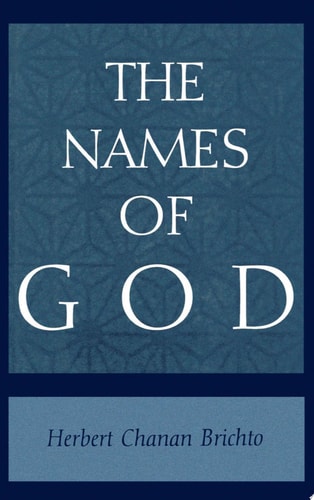
The Names of God: Poetic Readings in Biblical Beginnings
0
0
As an Amazon Associate and affiliate partner, Menrva Books earns from qualifying purchases. Learn more
Author Description
This is the sequel to the author's iconoclastic Toward a Grammar of Biblical Poetics (Oxford, 1992), in which Brichto argues for the aesthetic wholeness of the Hebrew Bible, and the consistency of Scripture's preachment on God, nature, and the human condition--in direct opposition to current source criticism, which maintains that inconsistencies within the text support an atomistic reading of multiple authors. In The Names of God, Brichto brings us his "poetic" reading of Scripture to the Book of Genesis. Using contemporary methods and insights of literary criticism, he examines one of the great inconsistencies within Genesis that have led to the supposition of multiple authors--the assortment of terms or names for the Deity, among them Yahweh and Elohim--and attempts to show the appropriateness of certain of these names to the stories in which they appear. He also looks at a variety of other data within Genesis such as genealogies, eponyms, and chronologies, and shows that their poetical function--their variety, ingenuity, and imaginative whimsy--is vital to the structure of the text as a whole. In finding a unity in this diversity of materials, Brichto makes a strong case for the text as the artistic achievement of a single author.
Menrva's Summary
THE THESIS
This work investigates whether the varying names for the Deity in the Book of Genesis function as intentional aesthetic choices rather than evidence of multiple, disparate authors. Herbert Chanan Brichto, building upon his previous scholarship in biblical poetics, challenges the prevailing academic consensus of source criticism. He argues that the Hebrew Bible exhibits a profound aesthetic wholeness, positing that the diverse terminology and structural elements within Genesis are the result of a singular, coherent artistic vision.
THE SCOPE MAP
What You Will Find
- Analysis of the specific usage of divine names such as Yahweh and Elohim within Genesis.
- Examination of structural elements including genealogies, chronologies, and eponyms.
- Application of contemporary literary criticism methods to ancient Hebrew texts.
- A defense of the artistic unity of the biblical narrative against atomistic source criticism.
THE AUTHORITY PERSPECTIVE
Scholars and students of theology recognize this text as a significant, albeit controversial, counter-argument to traditional documentary hypotheses. Readers frequently note the dense, academic nature of the prose, which requires a foundational understanding of biblical criticism to fully appreciate the author's structural arguments.
Page Count:
480
Publication Date:
1998-01-01
Publisher:
Oxford University Press
ISBN-10:
019535513X
ISBN-13:
9780195355130
Religion
Judaism
Theology
Literary Criticism
Bibles
Community Tags
Similar Books