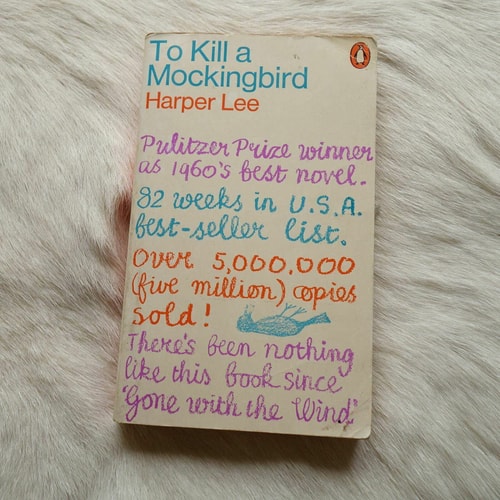
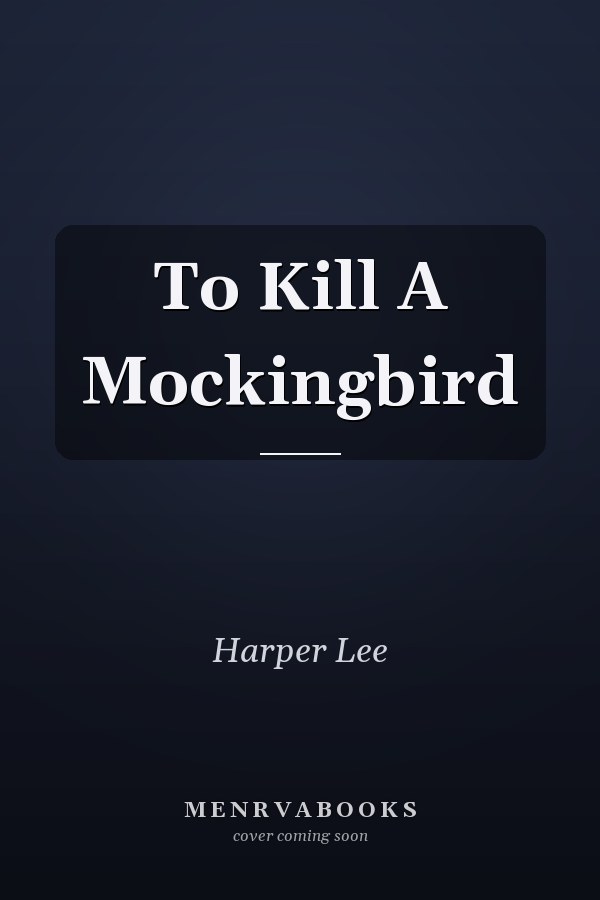
To Kill a Mockingbird
0
0
As an Amazon Associate and affiliate partner, Menrva Books earns from qualifying purchases. Learn more
Author Description
'Shoot all the bluejays you want, if you can hit 'em, but remember it's a sin to kill a mockingbird.'A lawyer's advice to his children as he defends the real mockingbird of Harper Lee's classic novel - a black man charged with the rape of a white girl. Through the young eyes of Scout and Jem Finch, Harper Lee explores with exuberant humour the irrationality of adult attitudes to race and class in the Deep South of the 1930s. The conscience of a town steeped in prejudice, violence and hypocrisy is pricked by the stamina of one man's struggle for justice. But the weight of history will only tolerate so much.
Menrva's Summary
THE PULSE
A principled lawyer risks his standing in a segregated Alabama town to defend a black man falsely accused of a crime against a white woman. Through the perspective of his young daughter, Scout Finch, the narrative examines the moral development of children as they witness the systemic inequality and racial tensions of the 1930s American South. The protagonist must navigate the social pressures of her community while observing her father's unwavering commitment to integrity despite the inevitable backlash from neighbors. The story unfolds as a first-person retrospective, capturing the innocence of childhood colliding with the harsh realities of adult prejudice.
INSIDE THE PAGES
- First-person retrospective narration from a child's perspective
- Southern Gothic atmospheric setting
- Exploration of moral education and empathy
- Legal procedural elements within a courtroom setting
- Symbolism regarding innocence and societal corruption
- Character-driven focus on the Finch family dynamics
- Examination of class structures and social hierarchy
- Episodic structure reflecting the passage of time
THE COLLECTIVE ECHO
Readers and critics frequently discuss the effectiveness of the child narrator in exposing the absurdity of adult racial prejudices. Discussion often centers on the moral authority of Atticus Finch and the symbolic weight of the mockingbird motif throughout the narrative. Many highlight the balance between the lighthearted, nostalgic tone of the early chapters and the somber, tense atmosphere of the trial sequences. The work is widely recognized for its examination of empathy and the difficulty of maintaining personal integrity within a hostile social environment. Scholars often note how the text serves as a foundational exploration of systemic injustice in the American literary canon.
Page Count:
285
Publication Date:
1973-01-01
Publisher:
Penguin Books
ISBN-10:
0140019294
ISBN-13:
9780140019292
classic
Legal Drama
Coming of Age
Historical
Southern Gothic
Classics
Community Tags
Other Editions(39)

Grand Central Publishing
2015
Default edition
Mizan Publishing
2015
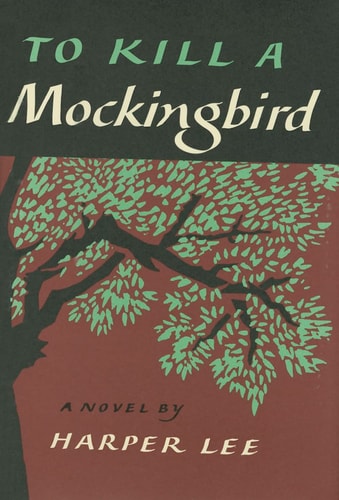
HarperCollins
2015
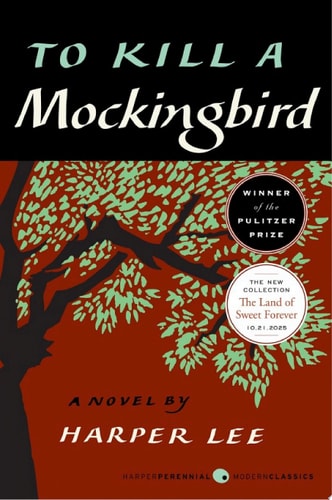
HarperCollins
2014

Arrow Books
2010
Marco Book Company
2010

Arrow Books
2009
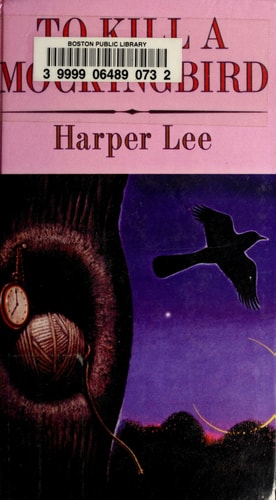
Grand Central Publishing
2008
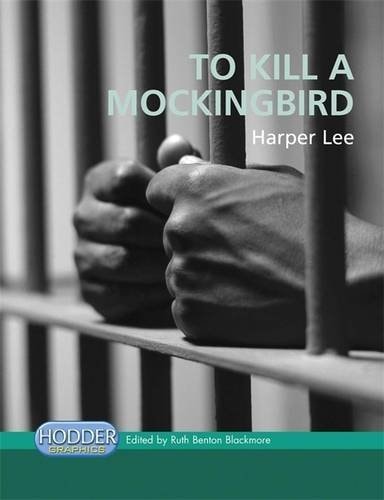
Hodder Murray
2007

HarperCollins
2006
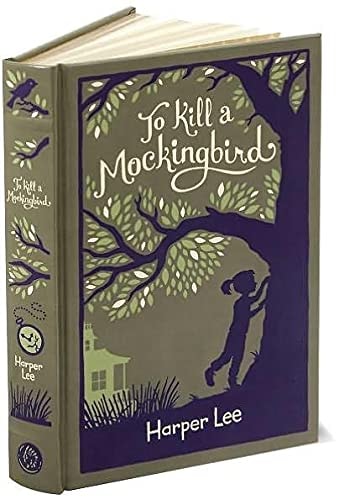
Barnes & Noble
2006

Caedmon
2006
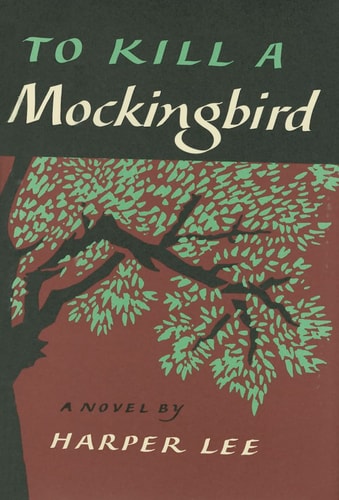
Penguin Random House
2004

Perennial / Harper-collins
2003

Harper Perennial
2002

Stonehenge Press
1998

HarperCollinsPublishers
1995

HarperCollins
1995
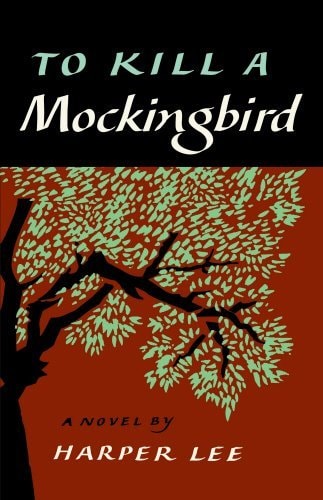
Chivers Press
1993

Cengage Gale
1992

Buccaneer Books, Incorporated
1991

Audio Partners
1991
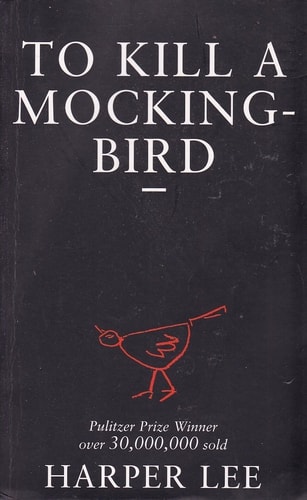
1989
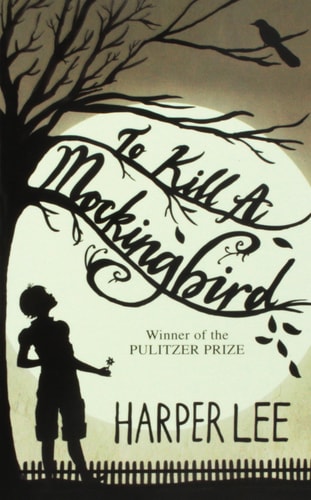
Grand Central Publishing
1988

Warner Books
1988
Random House
1988
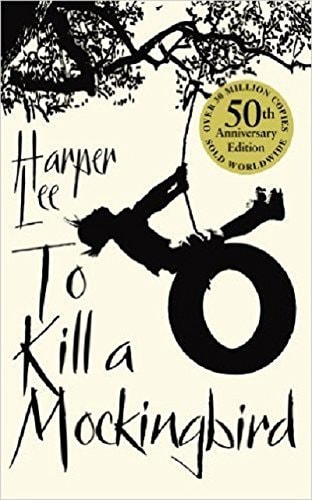
Cram Cassettes Study Guides
1987

Dh Audio
1987

Barrons Educational Services
1984

Landmann Ed.
1983
Warner Books
1982
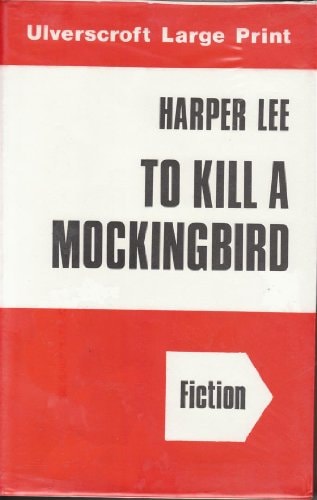
Ulverscroft
1976
Penguin Books
1973

Pearson Education
1966
CreateSpace Independent Publishing Platform
1960

PT Mizan Publika
1960

Lippincott
1960

Minerva
1960
Recorded Books, United States
1900
Similar Books






Reader Comments
Share Your Thoughts
No comments yet. Be the first to share your thoughts!