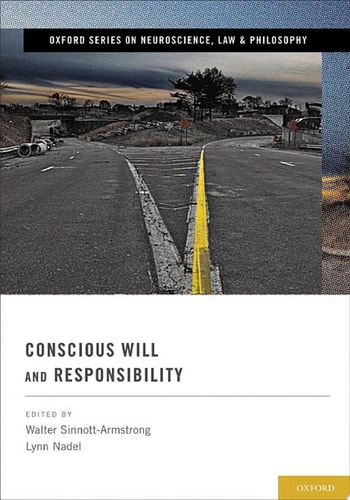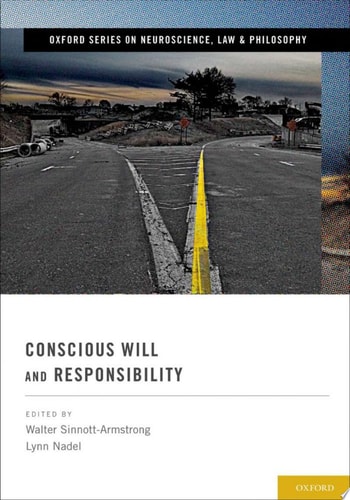
Conscious Will and Responsibility: A Tribute to Benjamin Libet
0
0
As an Amazon Associate and affiliate partner, Menrva Books earns from qualifying purchases. Learn more
Author Description
We all seem to think that we do the acts we do because we consciously choose to do them. This commonsense view is thrown into dispute by Benjamin Libet's eyebrow-raising experiments, which seem to suggest that conscious will occurs not before but after the start of brain activity that produces physical action.Libet's striking results are often claimed to undermine traditional views of free will and moral responsibility and to have practical implications for criminal justice. His work has also stimulated a flurry of further fascinating scientific research--including findings in psychology by Dan Wegner and in neuroscience by John-Dylan Haynes--that raises novel questions about whether conscious will plays any causal role in action. Critics respond that both commonsense views of action and traditional theories of moral and legal responsibility, as well as free will, can survive the scientific onslaught of Libet and his progeny. To further this lively debate, Walter Sinnott-Armstrong and Lynn Nadel have brought together prominent experts in neuroscience, psychology, philosophy, and law to discuss whether our conscious choices really cause our actions, and what the answers to that question mean for how we view ourselves and how we should treat each other.
Menrva's Summary
THE THESIS
Does the scientific evidence regarding the timing of brain activity in relation to conscious intention invalidate the traditional concepts of free will and moral responsibility? This volume, edited by Lynn Nadel and Walter Sinnott-Armstrong, compiles contributions from leading figures in neuroscience, psychology, and legal theory to evaluate the implications of Benjamin Libet's experiments. The authors examine whether conscious will is a causal factor in human action or merely an epiphenomenon, utilizing a multidisciplinary framework to bridge the gap between empirical data and normative legal standards.
THE SCOPE MAP
What You Will Find
- Analysis of Benjamin Libet's foundational experiments on readiness potential and conscious intention.
- Integration of contemporary research from psychology and neuroscience, including work by Dan Wegner and John-Dylan Haynes.
- Philosophical arguments regarding the compatibility of determinism and moral agency.
- Legal perspectives on how neuroscientific findings might influence concepts of criminal responsibility and culpability.
THE AUTHORITY PERSPECTIVE
Experts recognize this collection as a critical resource for those examining the intersection of cognitive science and jurisprudence. Readers frequently note the academic density of the prose, which requires a foundational understanding of both neurobiology and philosophical ethics to fully appreciate the arguments presented.
Page Count:
288
Publication Date:
2010-11-24
Publisher:
Oxford University Press
ISBN-10:
0195381645
ISBN-13:
9780195381641
Philosophy
Psychology
Consciousness
Responsibility
Ethics
Law
Neuroscience