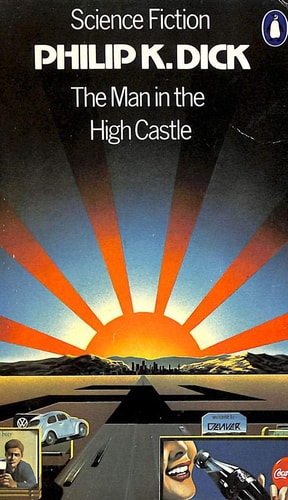
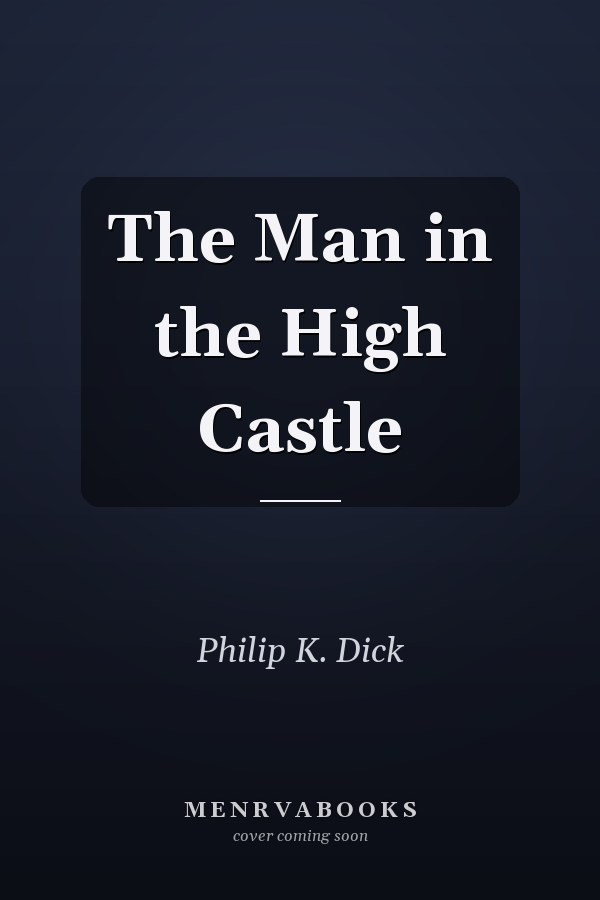
The Man in the High Castle
0
0
As an Amazon Associate and affiliate partner, Menrva Books earns from qualifying purchases. Learn more
Author Description
Now an Amazon Original series Winner of the Hugo Award “The single most resonant and carefully imagined book of Dick’s career”—New York Times It’s America in 1962. Slavery is legal once again. The few Jews who still survive hide under assumed names. In San Francisco, the I Ching is as common as the Yellow Pages. All because some twenty years earlier the United States lost a war—and is now occupied by Nazi Germany and Japan. This harrowing, Hugo Award–winning novel is the work that established Philip K. Dick as an innovator in science fiction while breaking the barrier between science fiction and the serious novel of ideas. In it Dick offers a haunting vision of history as a nightmare from which it may just be possible to wake.
Menrva's Summary
THE PULSE
In an alternate 1962 where the Axis powers emerged victorious from World War II, the United States is partitioned between Nazi Germany and Imperial Japan. The narrative follows several interconnected characters living under this oppressive regime, each struggling with the reality of their subjugated existence and the pervasive influence of the I Ching. As they navigate a world defined by totalitarian control and cultural erasure, they encounter a mysterious novel that suggests an alternate, more familiar history. The story unfolds through a fragmented, multi-perspective framework that challenges the characters' perceptions of reality and truth.
INSIDE THE PAGES
- Multi-perspective narrative structure
- Exploration of alternate history mechanics
- Integration of the I Ching as a plot device
- Meta-fictional elements regarding the nature of reality
- Examination of totalitarian social structures
- Focus on the psychological impact of occupation
- Philosophical inquiry into the nature of existence
- Atmospheric depiction of a divided America
THE COLLECTIVE ECHO
Readers and critics frequently highlight the novel's unsettling atmosphere and its departure from traditional science fiction tropes. Discussion often centers on the book's complex philosophical questions regarding the nature of reality and the subjectivity of history. Many observers note that the pacing is deliberate, prioritizing character internal states and thematic exploration over conventional action sequences. The work is widely recognized for its influence on the alternate history genre and its ability to provoke deep reflection on the fragility of societal structures. Critics often point to the narrative's ambiguity as a key feature that encourages multiple interpretations of the ending.
Page Count:
256
Publication Date:
1967-02-01
Publisher:
Penguin Books Ltd
ISBN-10:
0140023763
ISBN-13:
9780140023763
Dystopian
Science Fiction
Political fiction
Classics
Science Fiction
Philosophical
Alternate History
Community Tags
Other Editions(16)

Mariner Books
2017
Default edition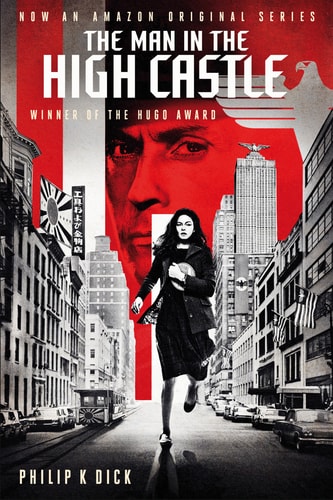
Houghton Mifflin Harcourt Publishing Company
2015
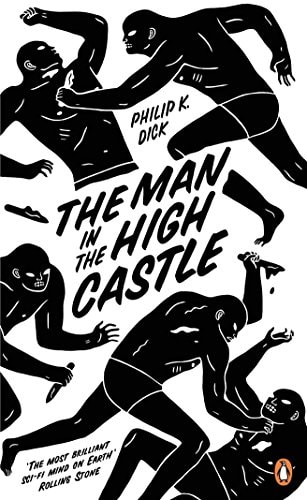
Penguin Books
2014
Penguin Books Limited
2012
Houghton Mifflin Harcourt
2011
Gollancz
2009
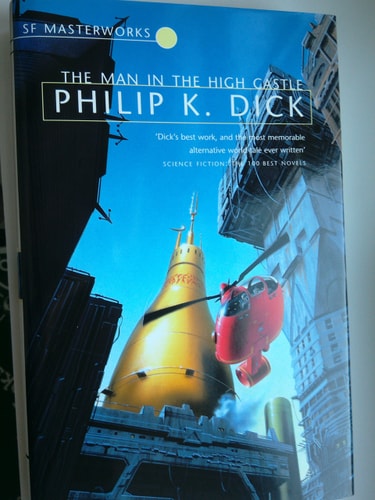
Book-of-the Month Club
2001
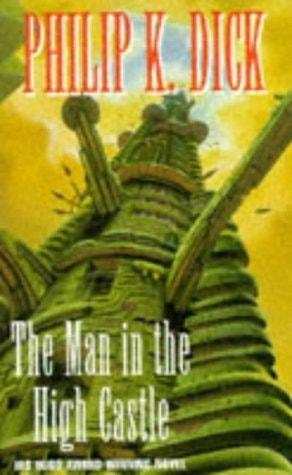
Penguin
1993
Vintage Books
1992

Ace Books
1988
Penguin Publishing Group
1985
Berkley Books
1984
Berkley Books
1981
Berkley
1974
Penguin Books Ltd
1967

Penguin Books
1965
Similar Books








Reader Comments
Share Your Thoughts
No comments yet. Be the first to share your thoughts!