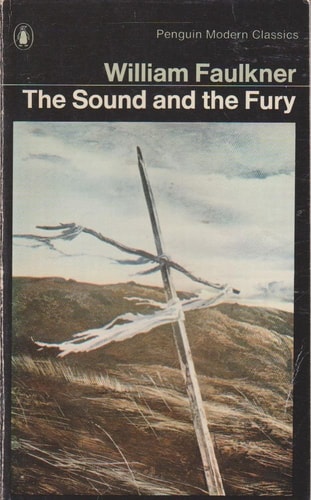
The Sound and the Fury
0
0
As an Amazon Associate and affiliate partner, Menrva Books earns from qualifying purchases. Learn more
Author Description
In many ways this was an experimental novel, using several differing narrative styles. Divided into four parts, the author relates the same episodes from four different viewpoints, using a different style for each. The story concerns various members of a Southern family, once wealthy landowners but now struggling to maintain their reputation.
Menrva's Summary
THE PULSE
The Compson family, once prominent Southern landowners, faces a slow, inevitable disintegration as their moral and financial foundations collapse. Each of the four narrative sections tracks the internal experiences of the Compson siblings and their servants, revealing the decay of their social status and the weight of their collective history. The narrative framework shifts between stream-of-consciousness, fragmented memory, and objective observation to illustrate the characters' inability to reconcile their past with a harsh, changing present. The primary conflict arises from the family's obsession with lost prestige and the psychological trauma inflicted by their own rigid, self-destructive behaviors.
INSIDE THE PAGES
- Stream-of-consciousness narrative technique
- Non-linear chronological structure
- Multiple shifting perspectives
- Use of unreliable narrators
- Southern Gothic atmosphere
- Complex, experimental syntax
- Focus on generational decline
- Symbolic representation of time and memory
THE COLLECTIVE ECHO
Readers frequently highlight the challenging nature of the prose, noting that the shifting narrative styles require significant attention to decipher the timeline. Discussion often centers on the effectiveness of the stream-of-consciousness technique in portraying the fractured mental states of the Compson siblings. Critics often point to the novel as a primary example of modernist experimentation within the Southern literary tradition. Many readers emphasize that the atmosphere of decay and the weight of history are central to the experience of the work. The balance of character interiority over traditional plot progression remains a frequent topic of analysis for those engaging with the text.
Page Count:
304
Publication Date:
1972-01-01
Publisher:
Penguin Books
ISBN-10:
014002087X
ISBN-13:
9780140020878
Literary Fiction
Family Saga
Literary
Modernist
Southern Gothic
classic
Classics