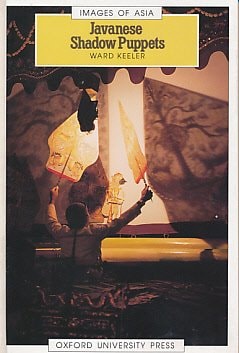
Javanese Shadow Puppets
0
0
As an Amazon Associate and affiliate partner, Menrva Books earns from qualifying purchases. Learn more
Author Description
Few art forms in the world appear as exotic as Javanese shadow plays, in which flat leather puppets cast shadows upon a screen. The figures are intricately cut and painted, and one puppeteer controls all their movements and enacts all their voices for the night-long performance. The puppeteer is believed to possess great amounts of mystical power, and the art form he transmits enjoys more prestige than many of Java's other performing arts. How can we make any sense of such a strange performing art? Textual evidence suggests that shadow plays have been performed for over 1,000 years in Java. The highly stylized figures, representing heroes, gods, princesses, demons, and servants, do indeed look like images from an altogether distant time and place. Yet, today, shadow plays are still enormously popular and Javanese flock in great numbers to see a famous puppeteer perform. To understand why shadow plays enjoy such great prestige and still provide so much pleasure, it is necessary to consider the stories they relate, their place in Javanese social life, and how Javanese talk about them. In the end, they remain a strikingly unusual art form, but not an inaccessibly exotic one.
Menrva's Summary
THE THESIS
This book investigates the enduring cultural significance and social function of Javanese shadow puppetry, known as wayang kulit, within contemporary Indonesian society. Ward Keeler, an anthropologist specializing in Southeast Asian cultures, utilizes ethnographic observation and historical context to explain how this ancient performance art maintains its prestige and popularity. He argues that the art form is not merely an exotic relic but a vital, evolving component of Javanese social life that bridges the gap between traditional mythology and modern experience.
THE SCOPE MAP
What You Will Find
- Historical overview of shadow play traditions spanning over 1,000 years in Java.
- Analysis of the puppeteer's role as a mediator of mystical and social authority.
- Examination of the symbolic iconography of figures including gods, demons, and servants.
- Discussion of the integration of performance narratives into the broader Javanese social framework.
THE AUTHORITY PERSPECTIVE
Experts frequently cite this work as a concise and accessible introduction to the complexities of Javanese performance art. Readers note that the text successfully demystifies the art form for non-specialists while maintaining anthropological rigor.
Page Count:
96
Publication Date:
1992-11-12
Publisher:
Oxford University Press
ISBN-10:
0195885856
ISBN-13:
9780195885859
Art
History
Wayang Plays
Shadow Shows
Indonesia
Java indonesia
Anthropology















