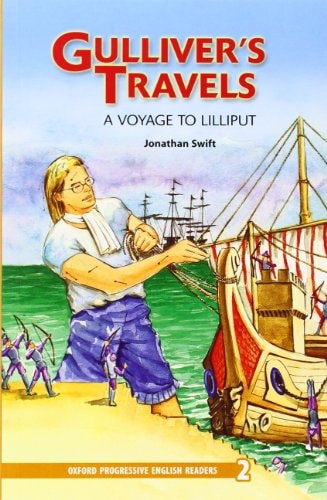
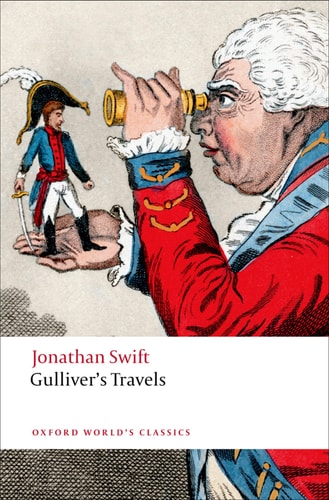
Gulliver's Travels
0
0
As an Amazon Associate and affiliate partner, Menrva Books earns from qualifying purchases. Learn more
Author Description
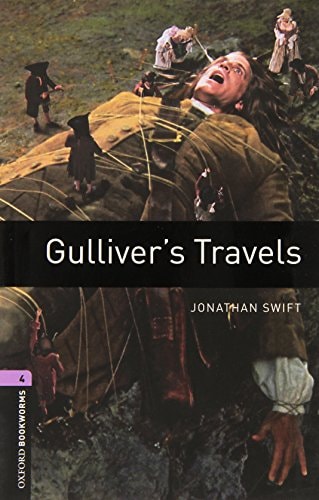
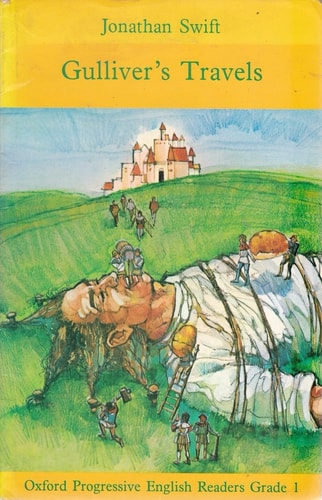
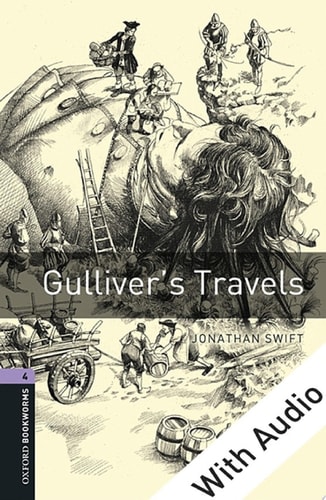
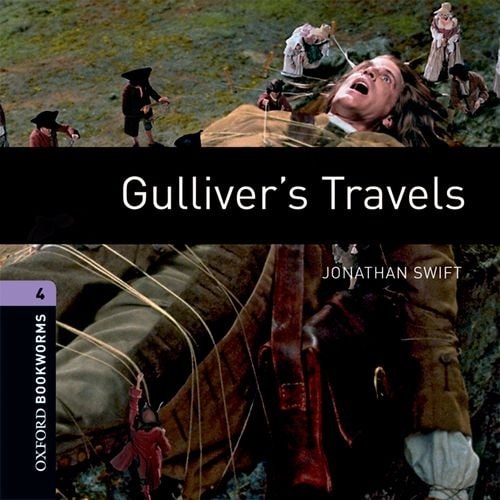
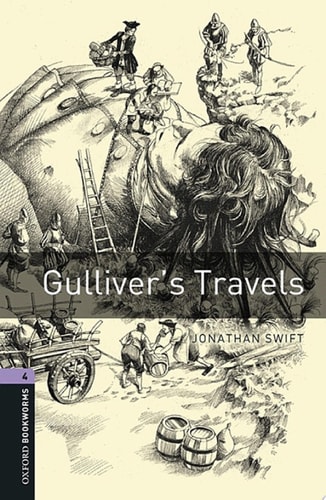
Gulliver's ship is lost in a storm, and he has to swim to save his life. After many hours, he reaches land. He lies down on the shore, and falls asleep. When he wakes up, he can't get up. He is tied to the ground. His hair is tied down too, so he can't move his head. He feels something walking along his body. There, standing on his chest, is a man. He is no more than six inches tall! This is how Gulliver begins his life in Lilliput - a country where everything is one tenth of its normal size. To the people who live there, Gulliver looks like a dangerous giant, but the Emperor bravely decides to speak to him.
Menrva's Summary
THE PULSE
After surviving a shipwreck, Lemuel Gulliver awakens to find himself captured by the inhabitants of Lilliput, a land where the people are mere inches tall. Gulliver, a ship's surgeon, must navigate the complex social and political landscape of a society that views him as a massive, potentially dangerous anomaly. His objective is to secure his freedom and return home, while the Lilliputian authorities attempt to harness his size for their own military and political gains. The narrative is presented as a first-person travelogue, utilizing the constraints of Gulliver's physical scale to highlight the absurdity of the Lilliputian customs and power structures.
INSIDE THE PAGES
- First-person travelogue narrative structure
- Satirical commentary on 18th-century political institutions
- Exploration of the theme of perspective and scale
- Detailed descriptions of Lilliputian social hierarchy
- Use of irony to critique human nature
- Allegorical representation of contemporary European conflicts
- Focus on the clash between individual morality and state authority
- Detailed world-building regarding the geography and customs of Lilliput
THE COLLECTIVE ECHO
Readers and critics frequently highlight the work as a foundational piece of satirical literature that transcends its status as a simple adventure story. Discussion often centers on how the author uses the contrast in physical size to expose the pettiness of human ambition and political squabbling. Many observers note that while the pacing is steady, the true value lies in the intellectual critique of societal norms rather than the action sequences themselves. The atmosphere is often described as clinical and observational, allowing the reader to maintain a detached perspective on the bizarre events unfolding. This balance of imaginative world-building and sharp social commentary ensures the text remains a frequent subject of academic analysis and general literary interest.
Page Count:
0
Publication Date:
2006-03-02
Publisher:
Oxford University Press España, S.A.
ISBN-10:
0195971361
ISBN-13:
9780195971361
Adventure
Fantasy
Satire
Political fiction
English
classic
Community Tags
Other Editions(7)


Similar Books








Reader Comments
Share Your Thoughts
No comments yet. Be the first to share your thoughts!