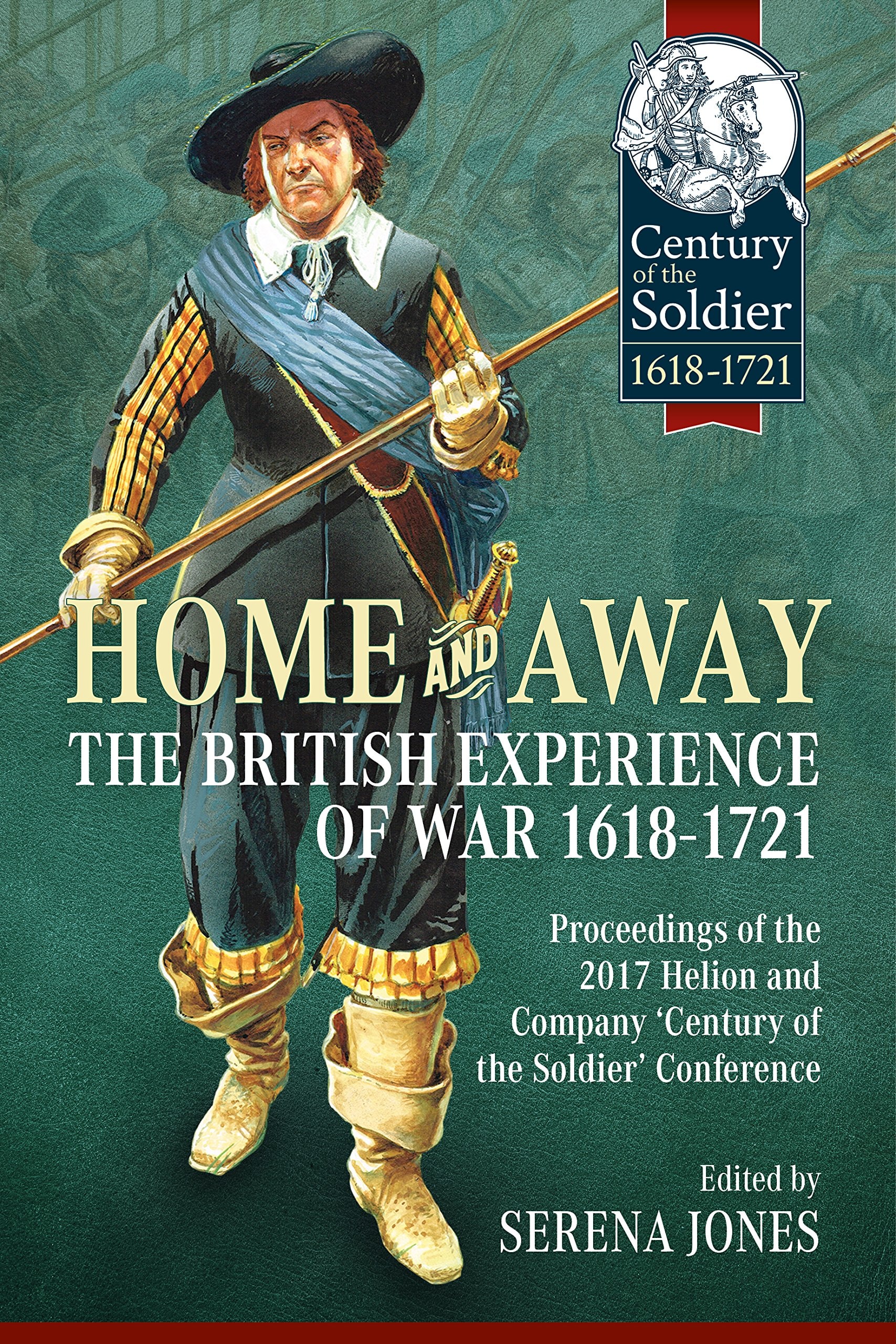
Home and Away: The British Experience of War 1618-1721
0
0
As an Amazon Associate and affiliate partner, Menrva Books earns from qualifying purchases. Learn more
Author Description
The experience of war is never confined to those who participate militarily: the consequences of warfare ripple out across their immediate families and communities, and the lives of countless civilians the combatants will never meet. The wives and children of soldiers could become destitute in the absence of their menfolk, and in the seventeenth century many sought refuge far from their homes or followed the army on its travels. Feeding and clothing an army, and supplying it with ammunition and other materiel, was a critical business; many women, and also many civilian men, provided services to the army baggage train and effectively became a critical part of its supply chain. The speakers at Helion''s third English Civil War conference focussed on a variety of aspects relating to both the personal experiences of warfare and the herculean efforts required to keep a conflict going. Keynote speaker Professor Peter Gaunt, focusing on the English Civil Wars of the 1640s, explores what is arguably the most grueling and uncertain aspect of warfare, besides battle itself: the necessity of travel, often for great distances and to unfamiliar or even hostile places. Using case studies focusing on different parts of the country, Professor Gaunt draws upon surviving letters and printed or archival first person accounts to recount and analyse the experience of moving around during the wars, whether to pursue their objectives or to flee from their effects. The Lostwithiel campaign in Cornwall in 1644 took both King Charles''s and the Parliament''s armies on a lengthy trek to the furthest extent of England: Simon Marsh examines the disastrous consequences of the campaign on the Earl of Essex''s army, nearly destroyed as a fighting force, and yet how within two months it was able to recover and fight with distinction against the King''s forces at the Second Battle of Newbury. Mr Marsh also examines how effective the Parliamentarian supply system had become by 1644; logisti
Menrva's Summary
THE THESIS
The experience of war extends far beyond the battlefield, impacting families, communities, and civilians indirectly. This collection of proceedings from the 2017 Helion & Company 'Century of the Soldier' conference examines the multifaceted British experience of war between 1618 and 1721. It explores how warfare's consequences rippled through society, affecting soldiers' families who faced destitution, followed armies, or provided essential services, and how the logistical demands of sustaining conflict shaped civilian lives. The conference speakers delve into both the personal experiences of warfare and the immense efforts required to maintain ongoing conflicts.
THE SCOPE MAP
- Analysis of the personal experiences of soldiers' families, including those who became destitute or followed armies.
- Examination of the critical role of women and civilian men in providing services and maintaining army supply chains.
- Keynote by Professor Peter Gaunt on the gruelling and uncertain aspects of travel and movement during the English Civil Wars.
- Case studies focusing on different regions of England during the wars, utilizing surviving letters and first-person accounts.
- Simon Marsh's analysis of the disastrous Lostwithiel campaign in Cornwall (1644) and its impact on the Earl of Essex's army.
- An assessment of the recovery and fighting capability of the Parliamentarian army following the Lostwithiel campaign.
- An examination of the effectiveness of the Parliamentarian supply system by 1644.
THE AUTHORITY PERSPECTIVE
This collection of conference proceedings offers a detailed exploration of the broader societal impacts of war in Britain between 1618 and 1721. The contributions focus on the experiences of those beyond the direct combatants, including families and civilians, and the crucial logistical efforts required to sustain conflict. The inclusion of analyses on travel, supply chains, and specific campaign consequences, such as the Lostwithiel campaign, suggests a work of significant historical depth. The focus on primary sources and case studies indicates a scholarly approach aimed at providing a nuanced understanding of warfare's pervasive influence.
Page Count:
216
Publication Date:
2018-01-01
Publisher:
Helion Limited
ISBN-10:
1911628011
ISBN-13:
9781911628019
History
Non-Fiction
Military History
Warfare
Social History
British History
Seventeenth Century
Community Tags
Similar Books