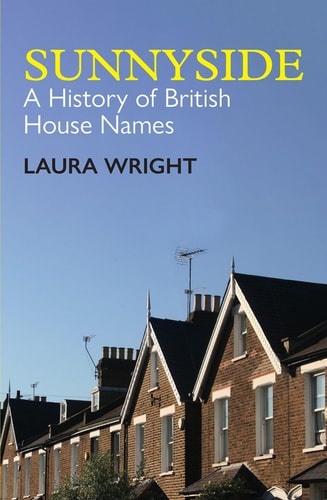
Sunnyside: A History of British House Names
0
0
As an Amazon Associate and affiliate partner, Menrva Books earns from qualifying purchases. Learn more
Author Description
This book discusses developments in the history of British house names from the earliest written evidence (Beowulf's Heorot) to the twentieth century.Chapters 1 and 2 track changes from medieval naming practices such as Ceolmundingchaga and Prestebures, to present-day house names such as Fairholme and Oakdene: that is, the shift from recording the name of the householder (Sabelinesbury, 'Sabeline's manor'), the householder's occupation (le Taninghus, 'the tannery') and the appearance of the house (le Brodedore, 'the broad door'); to the five main categories still in use today: the transferred place-name (Aberdeen House), the nostalgically rural (Springfield), the commemorative (Blenheim Palace), the upwardly mobile (Vernon Lodge), and the latest fashion (Fernville). The development and demise of pub names and shop names such as la Worm on the Hope and the Golden Tea Kettle & Speaking Trumpet are detailed, and the rise of heraldic names such as the Red Lion is explained.Chapters 3-5 track the house name Sunnyside backwards in time to prehistory, through English, Latin, Scottish Gaelic, and the influence of Old Norse. Sunnyside's ancient origins lie in the Nordic practice of solskifte, a prehistoric method of dividing up land according to position of shadows, but the name was boosted in the eighteenth century by Nonconformists (especially Quakers), who took it to America, and in the nineteenth century by American celebrity influence. The book contains an appendix of the earliest London house names to the year 400, and a gazetteer of historic Sunnysides.
Menrva's Summary
THE THESIS
This work investigates the historical evolution and cultural significance of British house naming practices from medieval origins to the twentieth century. Author Laura Jayne Wright, a specialist in historical linguistics, utilizes a vast array of archival evidence to trace how house names shifted from functional identifiers of the householder to modern markers of social aspiration and nostalgia. The text provides a rigorous framework for understanding how linguistic shifts, socioeconomic changes, and cultural trends have shaped the domestic landscape of Britain.
THE SCOPE MAP
What You Will Find
- A chronological analysis of naming conventions from medieval records to modern trends.
- Detailed etymological tracing of the name 'Sunnyside' through Nordic, Latin, and Gaelic influences.
- A comprehensive study of the transition from occupational and descriptive names to commemorative and aspirational titles.
- An appendix containing early London house names dating back to 1400 and a gazetteer of historic Sunnyside locations.
THE AUTHORITY PERSPECTIVE
Experts recognize this monograph as a significant contribution to the study of onomastics and social history. Readers frequently note the academic density of the prose, which provides a meticulous and well-documented examination of naming patterns for scholars and enthusiasts alike.
Page Count:
304
Publication Date:
2021-02-01
Publisher:
Oxford University Press
ISBN-10:
0197267157
ISBN-13:
9780197267158
History
Linguistics
British History
Social History
Manners and customs
Etymology
Community Tags
Similar Books