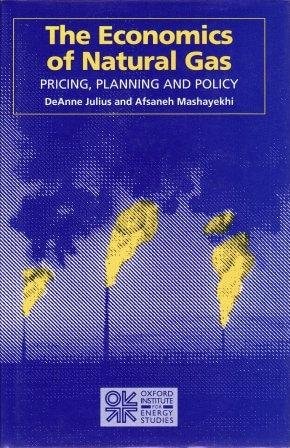
Economics of Natural Gas
0
0
As an Amazon Associate and affiliate partner, Menrva Books earns from qualifying purchases. Learn more
Author Description
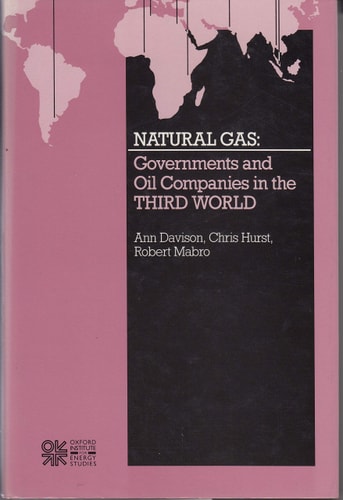
Natural gas resembles oil in fulfilling a wide variety of uses as both a source of energy and a feedstock, but the proportion of world production that is traded internationally is very much lower, and insufficient for a world price of gas to be established. This book addresses the issues of how the economic price of gas is determined. These are illustrated with estimates of the costs of exploration and production of gas, and of the benefits to be derived from its use in various economic sectors for a number of Third World countries.
Menrva's Summary
THE THESIS
This book investigates the complex mechanisms that determine the economic pricing of natural gas in a global market where international trade remains limited. The author, Julius, examines the structural differences between oil and gas markets, specifically focusing on why a unified world price for gas has failed to materialize. By analyzing exploration costs, production expenditures, and sectoral benefits, the text provides a framework for understanding how developing nations can evaluate the economic utility of their natural gas reserves.
THE SCOPE MAP
What You Will Find
- Comparative analysis of oil and natural gas market dynamics
- Economic modeling of exploration and production cost structures
- Sector-specific benefit assessments for natural gas utilization
- Case studies focused on the economic landscape of developing nations
THE AUTHORITY PERSPECTIVE
Experts recognize this work as a specialized examination of energy economics within the context of developing markets. Readers frequently note the technical focus on cost-benefit analysis as a primary utility for policy planners and energy sector analysts.
Page Count:
191
Publication Date:
1990-01-01
Publisher:
Pennwell Corp
ISBN-10:
0197300111
ISBN-13:
9780197300114
Economics
Business
Energy
Natural Resources
Natural Gas
Community Tags
Similar Books