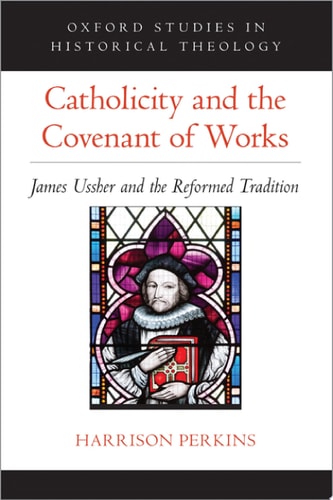
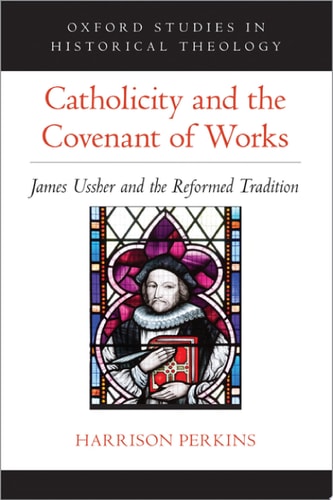
Catholicity and the Covenant of Works: James Ussher and the Reformed Tradition
0
0
As an Amazon Associate and affiliate partner, Menrva Books earns from qualifying purchases. Learn more
Author Description
James Ussher (1581-1656), one of the most important religious scholars and Protestant leaders of the seventeenth century, helped shape the Church of Ireland and solidify its national identity. In Catholicity and the Covenant of Works, Harrison Perkins addresses the development of Christian doctrine in the Reformed tradition, paying particular attention to the ways in which Ussher adopted various ideas from the broad Christian tradition to shape his doctrine of the covenant of works, which he utilized to explain how God related to humanity both before and after the fall into sin. Perkins highlights the ecumenical premises that underscored Reformed doctrine and the major role that Ussher played in codifying this doctrine, while also shedding light on the differing perspectives of the established churches of Ireland and England. Catholicity and the Covenant of Works considers how Ussher developed the doctrine of a covenant between God and Adam that was based on law, and illustrates how he related the covenant of works to the doctrines of predestination, Christology, and salvation.
Menrva's Summary
THE THESIS
How did James Ussher integrate broader ecumenical traditions into the Reformed doctrine of the covenant of works? Harrison Perkins, a scholar of historical theology, examines Ussher's seventeenth-century writings to demonstrate how the Irish archbishop synthesized diverse theological influences to articulate the relationship between God and humanity. By analyzing Ussher's specific contributions to the covenant of works, Perkins argues that the Reformed tradition was more deeply rooted in historical catholicity than is often assumed.
THE SCOPE MAP
What You Will Find
- Analysis of seventeenth-century Reformed theological development in Ireland and England.
- Examination of the covenant of works in relation to predestination, Christology, and salvation.
- Historical investigation into the ecumenical premises underlying Ussher's doctrinal framework.
- Comparative study of the ecclesiastical structures and identities of the Church of Ireland and the Church of England.
THE AUTHORITY PERSPECTIVE
Scholars recognize this work as a significant contribution to the study of seventeenth-century Protestant thought and the specific theological legacy of James Ussher. Readers frequently note the academic density of the prose, which provides a rigorous examination of complex doctrinal history.
Page Count:
309
Publication Date:
2020-01-01
Publisher:
Oxford University Press
ISBN-10:
0197514200
ISBN-13:
9780197514207
Biography
History
Religion
Reformed Theology
Christianity
Theology
Community Tags
Other Editions(2)
Similar Books