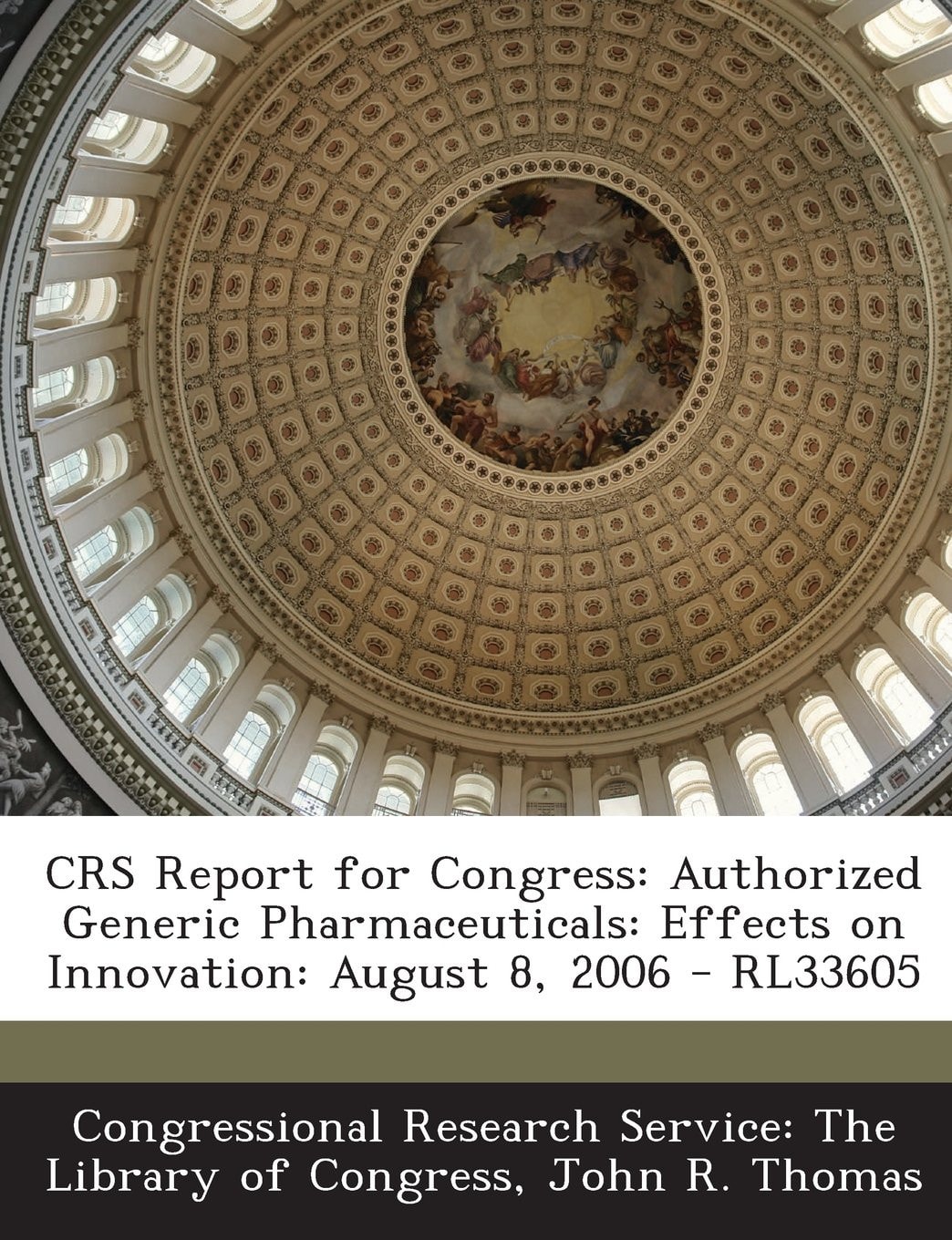
CRS Report for Congress: Authorized Generic Pharmaceuticals
0
0
As an Amazon Associate and affiliate partner, Menrva Books earns from qualifying purchases. Learn more
Author Description
The practice of authorized generics has recently been the subject of considerable attention by the pharmaceutical industry, regulators, and members of Congress alike. An authorized generici 1/2sometimes termed a branded, flanking, or pseudo generici 1/2is a pharmaceutical that is marketed by or on behalf of a brandname drug company, but is sold under a generic name. Although the availability of an additional competitor in the generic drug market would appear to be favorable to consumers, authorized generics have nonetheless proven controversial. Some observers believe that authorized generics potentially discourage independent generic firms both from challenging drug patents and from selling their own products. These perceived disincentives result from the provisions of the Drug Price Competition and Patent Term Restoration Act of 1984. Better known as the Hatch-Waxman Act, this legislation provides independent generic firms with a reward for challenging patents held by brand-name firms. That bounty consists of a 180-day generic drug exclusivity period awarded to the first patent challenger. During the 180-day period, the brand-name company and the first generic applicant are the only firms that receive authorization to sell that pharmaceutical. At the close of this period, other independent generic competitors may obtain marketing approval and enter the market, ordinarily
Menrva's Summary
THE THESIS
The practice of authorized generics has become a focal point of debate among the pharmaceutical industry, regulators, and Congress. The core issue revolves around pharmaceuticals marketed by brand-name companies under a generic name, often termed authorized generics. While seemingly beneficial to consumers due to increased competition, these generics are controversial, with concerns that they may discourage independent generic firms from challenging drug patents and entering the market. This is largely due to the Hatch-Waxman Act's provision of a 180-day exclusivity period for the first patent challenger, during which only the brand-name company and the initial generic applicant can sell the drug.
THE SCOPE MAP
- Analysis of the pharmaceutical industry's attention to authorized generics.
- Definition and alternative terms for authorized generics (branded, flanking, pseudo generics).
- Discussion of the controversy surrounding authorized generics despite potential consumer benefits.
- Exploration of how authorized generics might discourage independent generic firms from patent challenges.
- Explanation of the incentives and disincentives created by the Hatch-Waxman Act.
- Details on the 180-day generic drug exclusivity period for patent challengers.
- Identification of the parties authorized to sell the pharmaceutical during the exclusivity period.
- Outline of market entry for other independent generic competitors after the exclusivity period.
THE AUTHORITY PERSPECTIVE
The Congressional Research Service (CRS) reports are generally regarded as objective and informative analyses intended for policymakers. This report likely provides a neutral, fact-based overview of the authorized generics issue, detailing the relevant legislation and its perceived impacts. The authority perspective would emphasize the legal and economic frameworks governing the pharmaceutical market and the policy implications of authorized generics for competition and innovation.
Page Count:
28
Publication Date:
2013-11-01
Publisher:
BiblioLife
ISBN-10:
129424423X
ISBN-13:
9781294244233
Economics
Health
Business
Non-Fiction
Law
Community Tags
Similar Books