Qatar and the Gulf Crisis
0
0
As an Amazon Associate and affiliate partner, Menrva Books earns from qualifying purchases. Learn more
Author Description
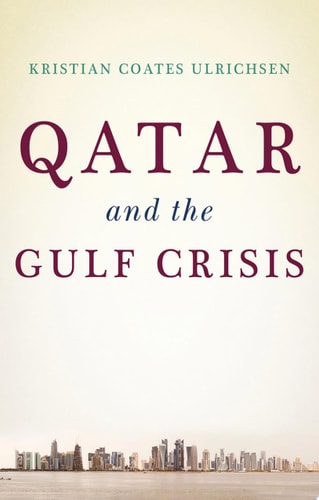
In 2017, Saudi Arabia, Bahrain, the UAE and Egypt severed diplomatic ties with Qatar, launching an economic blockade by land, air and sea. The self-proclaimed 'Anti-Terror Quartet' offered maximalist demands: thirteen 'conditions' recalling Austria-Hungary's 1914 ultimatum to Serbia. They may even have intended military action.Well into its second year, the standoff in the Gulf has no realistic end in sight. With the Bahraini and Emirati criminalisation of expressing support for Qatar, and the Saudi labelling of detainees as 'traitors' for their alleged Qatari links, bitterness has been stoked between deeply interconnected peoples. The adviser to the Saudi crown prince advocating a moat to physically separate Qatar from the Arabian Peninsula illustrates the ongoing intensity--and irrationality--of the crisis.Most reporting and analysis of these developments has focused on questions of regional geopolitics, and framed the standoff in terms of its impact on (largely) Western interests. Lost in this thicket of commentary is consideration of how the Qatari leadership and population have responded to the blockade. As the 2022 FIFA World Cup draws closer, the ongoing Qatar crisis becomes increasingly important to understand. Ulrichsen offers an authoritative study of this international standoff, from both sides.
Menrva's Summary
THE THESIS
This book investigates the origins, escalation, and regional implications of the 2017 diplomatic and economic blockade imposed on Qatar by its neighbors. Kristian Coates Ulrichsen, a fellow for the Middle East at Rice University's Baker Institute, utilizes a combination of regional policy analysis and historical context to examine the standoff. He argues that the crisis represents a significant shift in Gulf Cooperation Council dynamics, moving beyond simple geopolitical maneuvering to affect the social and political fabric of the Arabian Peninsula. The work provides a framework for understanding the blockade's impact on Qatari national identity and the broader implications for international stability.
THE SCOPE MAP
What You Will Find
- Detailed analysis of the 2017 diplomatic rupture between Qatar and the 'Anti-Terror Quartet'.
- Examination of the economic and social consequences of the land, air, and sea blockade.
- Assessment of the Qatari government's strategic response to regional isolation.
- Evaluation of the long-term impact of the crisis on the 2022 FIFA World Cup preparations.
THE AUTHORITY PERSPECTIVE
Experts recognize this work as a definitive account of the Gulf crisis, noting the author's ability to balance regional geopolitical interests with the internal perspective of the Qatari state. Readers frequently highlight the text's clarity in navigating complex diplomatic tensions and its value as a foundational resource for understanding contemporary Middle Eastern politics.
Page Count:
224
Publication Date:
2020-05-01
Publisher:
Oxford University Press
ISBN-10:
0197525598
ISBN-13:
9780197525593
History
Politics
International relations
Geopolitics
Middle East
Community Tags
Other Editions(3)
Similar Books