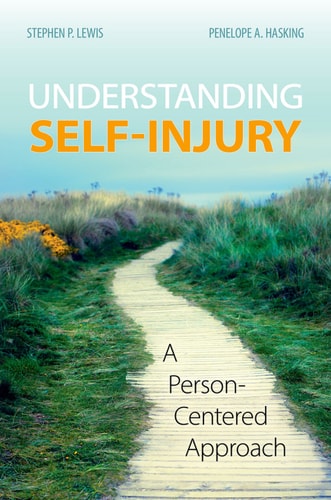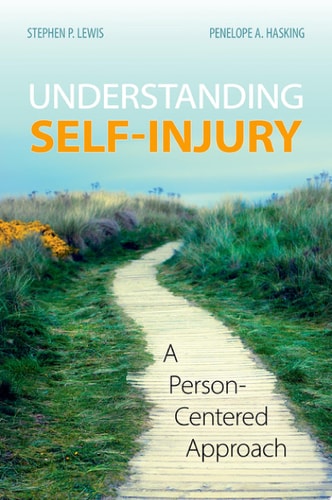
Understanding Self-Injury: A Person-Centered Approach
0
0
As an Amazon Associate and affiliate partner, Menrva Books earns from qualifying purchases. Learn more
Author Description
Nonsuicidal self-injury (NSSI), the purposeful damaging of one's own body tissue without suicidal intent, is a common and serious mental health concern. Engagement in self-injury is associated with numerous mental health difficulties such as major depression. Of particular concern is recent evidence indicating that self-injury is a significant risk factor for suicide. Taken together, understanding self-injury and appropriately responding to people who self-injure is critical.Developing a compassionate understanding of self-injury requires not only knowledge of current research but also essential insights from individuals with lived experience. Understanding Self-injury: A Person-Centered Approach offers a significant departure from traditional texts in the field by adopting a person-centered, strengths-based approach to understanding and addressing self-injury. In addition to giving a general introduction to self-injury, this book offers practical tips for families and caregivers, schools, clinicians, and advocates who support individuals who self-injure. Importantly, priority is given to topics that individuals with lived experience of self-injury find central to their experiences, such as stigma, social media, resilience, recovery, and advocacy.This book is a must-read for anyone who interacts with or plays a supportive role in the lives of people who self-injure, including mental health professionals and students, school professionals, families, researchers, and, importantly, individuals with lived experience of self-injury.
Menrva's Summary
THE THESIS
How can caregivers, clinicians, and communities move beyond clinical definitions to provide effective, person-centered support for individuals who engage in nonsuicidal self-injury? Penelope A. Hasking and Stephen P. Lewis synthesize current psychological research with the essential perspectives of those with lived experience to reframe the understanding of self-injury. By prioritizing a strengths-based model, the authors challenge traditional diagnostic frameworks that often focus solely on pathology. The text provides a comprehensive guide for navigating the complexities of self-injury while emphasizing the importance of empathy, recovery, and advocacy in the support process.
THE SCOPE MAP
What You Will Find
- Analysis of the relationship between nonsuicidal self-injury and suicide risk factors.
- Practical strategies for families, educators, and clinicians to provide supportive interventions.
- Integration of lived experience narratives to address stigma and social media influence.
- Frameworks for fostering resilience and long-term recovery in affected individuals.
THE AUTHORITY PERSPECTIVE
Experts and practitioners recognize this work as a significant shift toward humanizing clinical approaches to self-injury. Readers frequently note that the inclusion of lived experience provides a necessary balance to the academic research, making the text accessible to both professionals and families.
Page Count:
224
Publication Date:
2023-02-28
Publisher:
Oxford University Press
ISBN-10:
0197545068
ISBN-13:
9780197545065
Psychology
Mental Health
Self Help
Social Work