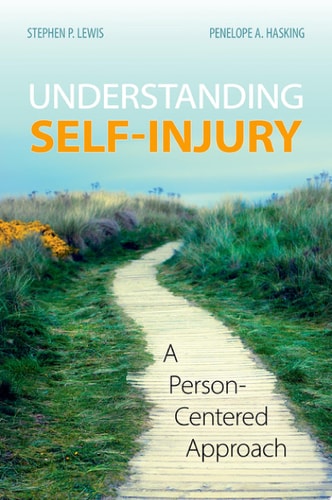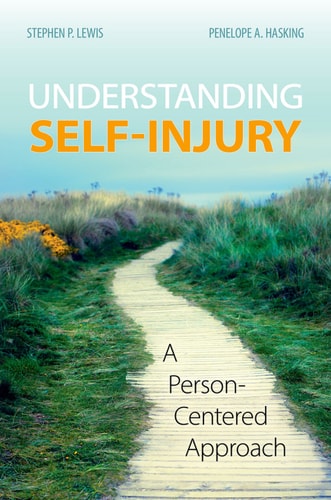
Understanding Self-Injury: A Person-Centered Approach
0
0
As an Amazon Associate and affiliate partner, Menrva Books earns from qualifying purchases. Learn more
Author Description
Nonsuicidal self-injury (NSSI), the purposeful damaging of one's own body tissue without suicidal intent, is a common and serious mental health concern. Engagement in self-injury is associated with numerous mental health difficulties such as major depression. Of particular concern is recent evidence indicating that self-injury is a significant risk factor for suicide. Taken together, understanding self-injury and appropriately responding to people who self-injure is critical.Developing a compassionate understanding of self-injury requires not only knowledge of current research but also essential insights from individuals with lived experience. Understanding Self-injury: A Person-Centered Approach offers a significant departure from traditional texts in the field by adopting a person-centered, strengths-based approach to understanding and addressing self-injury. In addition to giving a general introduction to self-injury, this book offers practical tips for families and caregivers, schools, clinicians, and advocates who support individuals who self-injure. Importantly, priority is given to topics that individuals with lived experience of self-injury find central to their experiences, such as stigma, social media, resilience, recovery, and advocacy.This book is a must-read for anyone who interacts with or plays a supportive role in the lives of people who self-injure, including mental health professionals and students, school professionals, families, researchers, and, importantly, individuals with lived experience of self-injury.
Menrva's Summary
THE THESIS
This book investigates how a person-centered, strengths-based framework can improve the understanding and support of individuals who engage in nonsuicidal self-injury. Authors Penelope A. Hasking and Stephen P. Lewis synthesize current clinical research with the perspectives of those with lived experience to move beyond traditional diagnostic models. By prioritizing the voices of individuals who self-injure, the authors provide a comprehensive guide for clinicians, educators, and families to address the complexities of this mental health concern.
THE SCOPE MAP
What You Will Find
- Analysis of the relationship between nonsuicidal self-injury and suicide risk.
- Practical support strategies for families, caregivers, and school professionals.
- Integration of lived experience narratives regarding stigma and recovery.
- Examination of the impact of social media on self-injury behaviors.
THE AUTHORITY PERSPECTIVE
Experts and clinicians recognize this text as a significant shift toward more empathetic and effective clinical practice. Readers frequently note that the inclusion of lived experience provides a necessary human dimension to the academic research presented.
Page Count:
218
Publication Date:
2023-01-01
Publisher:
Oxford University Press
ISBN-10:
0197545084
ISBN-13:
9780197545089
Psychology
Self-help
Medical
Allied Health
Social Work
Mental Health