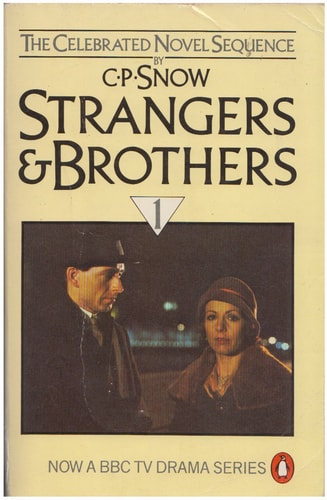
The Furys
0
0
As an Amazon Associate and affiliate partner, Menrva Books earns from qualifying purchases. Learn more
Author Description
Set during the General Strike, this powerful novel centres upon the hopes and aspirations of the Fury family who have struggled all their lives against tremendous social and financial pressures. Fanny Fury, a kindly but possessive woman, has pinned all her hopes on her youngest son, Peter, who is training for the priesthood. Now, seven years later, and in disgrace, he comes back to face her pain and rage. When her other son returns, crippled in an accident at sea, the resentments and bitterness that the Furys have suffered, as individuals, and as a family over the years, come to the surface and threaten to overwhelm them.
Menrva's Summary
THE PULSE
The return of a disgraced son to his struggling family during the General Strike ignites long-simmering tensions and domestic volatility. Fanny Fury, a woman defined by her possessive devotion, faces the collapse of her ambitions when her youngest son, Peter, returns home after failing his priesthood training. The narrative, often claustrophobic and intense, tracks the collision between Fanny’s rigid expectations and the harsh reality of her children’s lives. As the family unit faces external economic pressure from the strike and internal fractures caused by a second son’s return from sea with a permanent injury, the household becomes a site of escalating conflict. The prose captures the grinding weight of poverty and the psychological toll of unfulfilled familial duty.
INSIDE THE PAGES
- Focus on the socio-economic conditions of the British working class
- Exploration of maternal possessiveness and psychological control
- Use of domestic space as a site of emotional confinement
- Integration of historical context regarding the General Strike
- Character-driven narrative focusing on intergenerational resentment
- Examination of religious failure and personal disgrace
- Pacing that mirrors the mounting pressure of the household environment
- Realistic dialogue reflecting the regional and class background of the characters
THE COLLECTIVE ECHO
Discussion often centers on the unrelenting intensity of the prose and the author's unflinching portrayal of domestic misery. Readers frequently highlight the effectiveness of the atmosphere, noting how the external political climate of the General Strike mirrors the internal instability of the Fury household. Critics often point to the characterization of Fanny Fury as a complex study in maternal ambition and destructive love. The narrative is widely recognized for its grim commitment to realism, which avoids sentimentality in favor of a stark examination of familial collapse. Many readers find the pacing deliberate, allowing the mounting resentments to build toward a significant emotional climax.
Page Count:
400
Publication Date:
1983-01-01
Publisher:
Penguin Books
ISBN-10:
0140064400
ISBN-13:
9780140064407
Historical Fiction
Classics
British literature
Working class
Social Realism
Family Saga
Community Tags
Similar Books