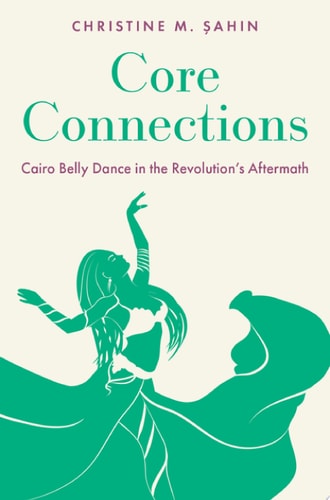
Core Connections: Cairo Belly Dance in the Revolution's Aftermath
0
0
As an Amazon Associate and affiliate partner, Menrva Books earns from qualifying purchases. Learn more
Author Description
Core Connections: Cairo Belly Dance In The Revolution's Aftermath Investigates Local, Intra-middle Eastern, And Global Circulations Of Belly Dance Centered Within Cairo, Egypt, In The Tumultuous Aftermath Of The Jan. 25th, 2011 Revolution. This Multi-sited Ethnography Takes Audiences On A Taxi Ride That Viscerally Moves Through Contemporary City-circuitries Of Dance Venues And Stories From The Nile Cruising Tourist Boats And Decadent Five-star Hotels To Smoky Late-night Discos And Pyramid Street Cabarets. While Mapping The Multiple Maneuverings Of Cairene Dancers And Non-dancers Alike, This Book Centralizes Cairene Dancers Embodied Political Insight While Fleshing Out Nuanced Portraits Of Their Lives And Stories Amidst Ongoing Political Precarity. In Addition To Interweaving Dance And Middle Eastern Gender Studies, This Book Innovatively 'does' And Writes Ethnography. This Book's Ethnographic Approach Embodies The Dance Itself Via Attending To The Dual Meanings Of Moving; Centralizing Mobility And Movement As Sites Of Power And Knowledge, But Also In Researching And Writing In Ways That Move Emotionally, Stirring Up Poignant Affect That Leads To Physical Reaction, Change, And Connection. In Other Words, This Ethnography Aims To Center The Same Aesthetics And Values Of Cairo Belly Dancing, To 'move' With Greater Feeling To Cultivate Richer Core Connections Within Ourselves, Between One Another, And Within Our City-spaces. In Doing So, This Book Stakes A Claim For Listening To The Subtleties Of Otherwise Marginalized Bodily Interaction, Exchange, And Wisdom As Rippling With Potential For Stepping Into More Revolutionary Realities And Relationships.
Menrva's Summary
THE THESIS
This book investigates how belly dance serves as a site of political insight and social navigation for dancers in Cairo following the 2011 revolution. Christine M. Şahin, an anthropologist, utilizes a multi-sited ethnographic framework to examine the intersection of movement, gender, and political precarity in Egypt. By analyzing the physical and social circuits of dance venues, the author argues that the embodied knowledge of dancers offers a unique lens through which to understand the shifting power dynamics of post-revolutionary Cairo. The work posits that the act of dancing itself provides a methodology for understanding broader societal connections and potential for change.
THE SCOPE MAP
What You Will Find
- A multi-sited ethnographic study of Cairo's diverse dance venues, ranging from Nile tourist boats to Pyramid Street cabarets.
- An analysis of the intersection between Middle Eastern gender studies and the performance of belly dance.
- Primary source interviews and observational data detailing the lives and political perspectives of Cairene dancers.
- A methodological framework that treats movement and mobility as primary sites of knowledge production and power.
THE AUTHORITY PERSPECTIVE
Scholars in the field of dance studies and Middle Eastern anthropology highlight this work for its innovative approach to ethnographic writing. Readers frequently note the author's ability to blend academic rigor with a visceral, narrative style that reflects the movement and rhythm of the subject matter.
Page Count:
0
Publication Date:
2024-01-01
Publisher:
New York : Oxford University Press,
ISBN-10:
0197613640
ISBN-13:
9780197613641
History
Social Aspects
Dance
Belly Dance
Sociology
Anthropology
Belly Dancers
Gender Studies
Community Tags
Other Editions(2)
Similar Books