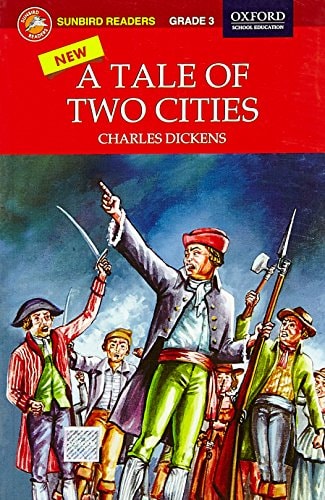
A Tale of Two Cities
0
0
As an Amazon Associate and affiliate partner, Menrva Books earns from qualifying purchases. Learn more
Author Description
A Tale of Two Cities is Charles Dickens’s great historical novel, set against the violent upheaval of the French Revolution. The most famous and perhaps the most popular of his works, it compresses an event of immense complexity to the scale of a family history, with a cast of characters that includes a bloodthirsty ogress and an antihero as believably flawed as any in modern fiction. Though the least typical of the author’s novels, A Tale of Two Cities still underscores many of his enduring themes—imprisonment, injustice, social anarchy, resurrection, and the renunciation that fosters renewal.
Menrva's Summary
THE PULSE
The lives of Dr. Manette, Lucie Manette, and Sydney Carton become inextricably linked amidst the chaotic violence of the French Revolution. Set in London and Paris, the narrative follows the personal sacrifices of individuals caught in the machinery of political upheaval. The protagonist, Sydney Carton, seeks redemption through a profound act of self-renunciation, while the forces of social anarchy and state-sanctioned injustice threaten to destroy the families he attempts to protect. The story utilizes a third-person omniscient perspective to weave together disparate lives against the backdrop of the Reign of Terror.
INSIDE THE PAGES
- Dual-setting narrative structure alternating between London and Paris
- Exploration of the theme of resurrection and personal renewal
- Characterization of the bloodthirsty antagonist Madame Defarge
- Use of historical events as a catalyst for individual character arcs
- Focus on the psychological toll of long-term imprisonment
- Contrast between social order and revolutionary chaos
- Symbolic use of the knitting register to track victims of the guillotine
- Examination of the moral ambiguity of the antihero archetype
THE COLLECTIVE ECHO
Readers and critics frequently highlight the novel's departure from Dickens's typical focus on Victorian social reform in favor of a more tightly plotted historical drama. Discussion often centers on the stark contrast between the atmospheric, slow-building tension of the early chapters and the rapid, frenetic pacing of the revolutionary scenes. Many scholars emphasize the effectiveness of the world-building, noting how the author captures the visceral terror of the era through specific, haunting imagery. The thematic exploration of sacrifice and redemption remains a primary point of analysis for those examining the evolution of the nineteenth-century novel. Readers often find the character arc of Sydney Carton to be the most compelling element of the work, providing a poignant conclusion to the complex narrative threads.
Page Count:
0
Publication Date:
1900-01-01
Publisher:
Oxford
ISBN-10:
0198075014
ISBN-13:
9780198075011
Drama
Social Commentary
Historical
Subjects
classic
Community Tags
Other Editions(17)
EdCon Publishing
2023
Default edition
Independently Published
2019
Amazon Digital Services LLC - KDP Print US
2018

CreateSpace Independent Publishing Platform
2017

Hansebooks GmbH
2017
Oxford University Press España, S.A.
2016

CreateSpace Independent Publishing Platform
2015
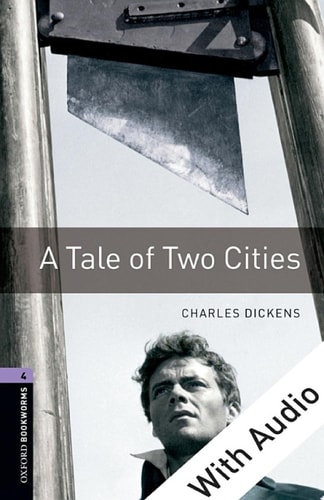
Oxford University Press
2014
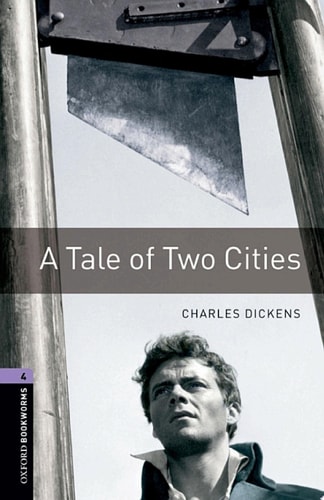
Oxford University Press
2012
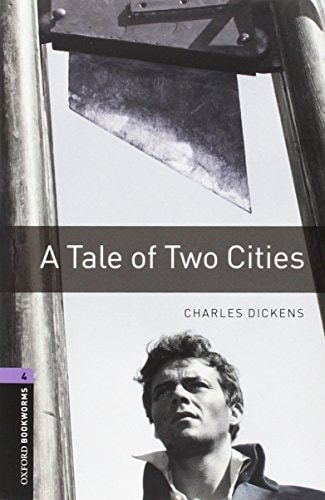
Oxford University Press España, S.A.
2009
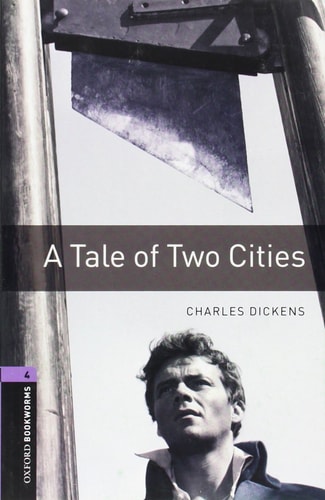
Oxford University Press
2007
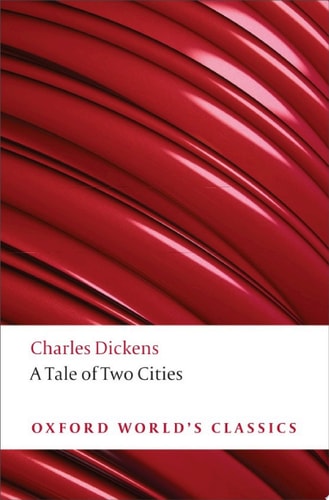
OUP Oxford
1998

Barnes & Noble Books
1993
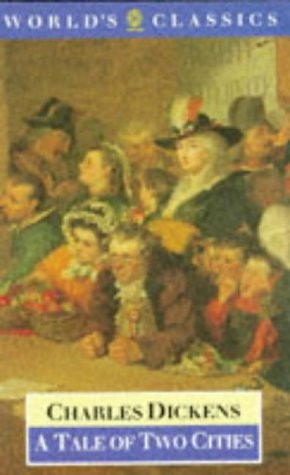
Oxford University Press
1988
Oxford University Press
1988

First Avenue Editions,
1900
Oxford
1900
Similar Books


Reader Comments
Share Your Thoughts
No comments yet. Be the first to share your thoughts!