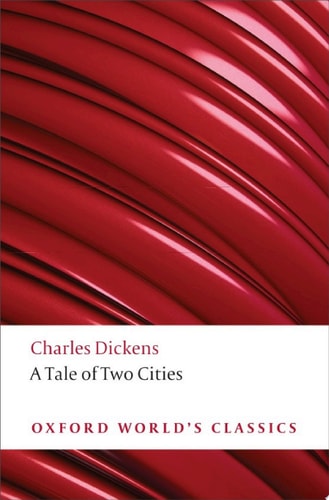
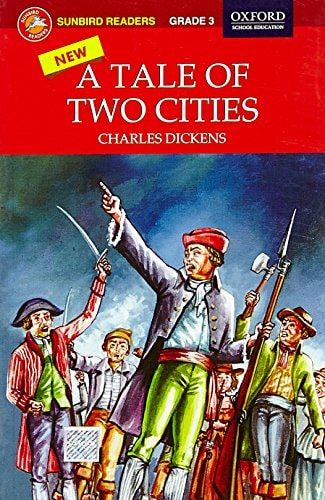
A Tale of Two Cities
0
0
As an Amazon Associate and affiliate partner, Menrva Books earns from qualifying purchases. Learn more
Author Description
As the the bicentennary of the French Revolution draws near, Dickens' historical novel serves as a timely reminder of nineteenth-century reactions to that great upheaval. Set between 1757 and 1793, A Tale of Two Cities views the causes and effects of the Revolution from an essentially private point of view, showing how private experience relates to public history. Dickens' characters are fictional, and their political activity is minimal, yet all are drawn towards the Paris of the Terror, and all become caught up in its web of human suffering and human sacrifice. This edition includes extensive explanatory notes giving crucial background information about the Revolution and Dickens' sources. `the best story I have written' Charles Dickens ABOUT THE SERIES: For over 100 years Oxford World's Classics has made available the widest range of literature from around the globe. Each affordable volume reflects Oxford's commitment to scholarship, providing the most accurate text plus a wealth of other valuable features, including expert introductions by leading authorities, helpful notes to clarify the text, up-to-date bibliographies for further study, and much more.
Menrva's Summary
THE PULSE
The lives of several individuals are irrevocably intertwined as the chaos of the French Revolution forces them to navigate the brutal transition from the stability of London to the violence of Paris. The protagonist, Sydney Carton, undergoes a profound transformation as he seeks redemption through sacrifice amidst the encroaching terror. Opposing him and his associates are the systemic forces of revolutionary fervor and the historical weight of class oppression. The narrative framework employs a third-person omniscient perspective to bridge the gap between intimate personal struggles and the sweeping, often destructive, tides of public history.
INSIDE THE PAGES
- Dual-city narrative structure contrasting London and Paris
- Exploration of themes regarding resurrection and sacrifice
- Detailed depiction of the Reign of Terror
- Use of historical events to drive character development
- Focus on the psychological impact of political upheaval
- Intricate plotting involving mistaken identity and hidden pasts
- Atmospheric prose capturing the tension of the era
- Symbolic use of the guillotine as a central motif
THE COLLECTIVE ECHO
Discussion often centers on the stark contrast between the orderly life in London and the volatile, blood-soaked streets of Paris during the Revolution. Readers frequently highlight the emotional weight of the final chapters, noting how the author balances individual character arcs with the broader historical context. Critics often examine the pacing, which accelerates significantly as the narrative moves toward the climax in France. The work remains a frequent subject of analysis regarding its portrayal of social injustice and the potential for human redemption in the face of systemic collapse.
Page Count:
449
Publication Date:
1998-01-01
Publisher:
OUP Oxford
ISBN-10:
0191506028
ISBN-13:
9780191506024
Historical Fiction
Fathers and daughters
English & College Success
French Revolution
Victorian
London England
English
Paris France
Classic Literature
Community Tags
Other Editions(17)
EdCon Publishing
2023
Default edition
Independently Published
2019

Amazon Digital Services LLC - KDP Print US
2018

CreateSpace Independent Publishing Platform
2017

Hansebooks GmbH
2017
Oxford University Press España, S.A.
2016

CreateSpace Independent Publishing Platform
2015
Oxford University Press
2014
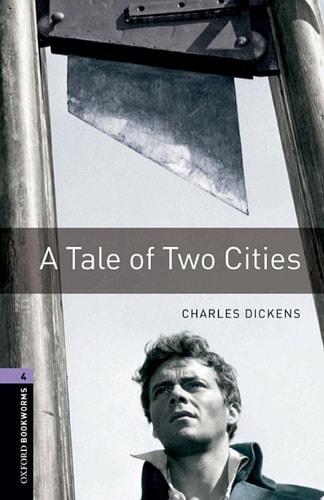
Oxford University Press
2012

Oxford University Press España, S.A.
2009
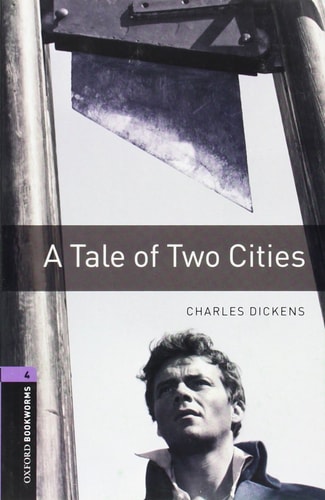
Oxford University Press
2007
OUP Oxford
1998

Barnes & Noble Books
1993
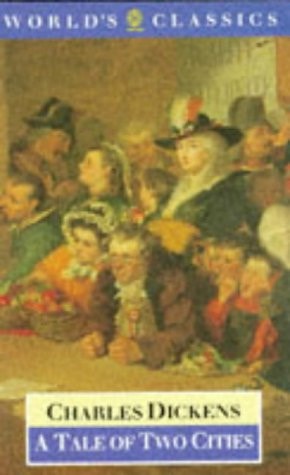
Oxford University Press
1988
Oxford University Press
1988

First Avenue Editions,
1900
Oxford
1900
Similar Books




Reader Comments
Share Your Thoughts
No comments yet. Be the first to share your thoughts!