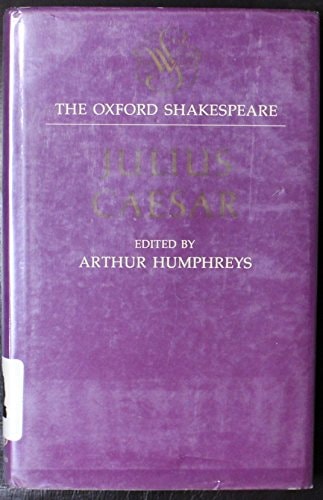
Julius Caesar
0
0
As an Amazon Associate and affiliate partner, Menrva Books earns from qualifying purchases. Learn more
Author Description
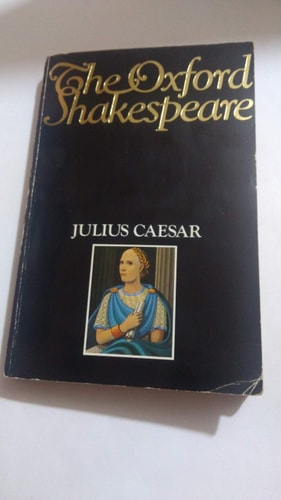
Offers a fresh consideration of the play's date and its place in the Shakespeare canon and examines how Shakespeare reshaped his sources (primarily North's translation of Plutarch's Lives).
Menrva's Summary
THE PULSE
The assassination of Julius Caesar by a group of conspirators triggers a violent power struggle that threatens the stability of the Roman Republic. Driven by a complex web of political idealism, personal ambition, and shifting loyalties, the protagonist Brutus must weigh his love for Caesar against his duty to the state. The narrative unfolds through a series of public orations and private deliberations, highlighting the tension between republican values and the rise of autocratic rule. The play utilizes a structured dramatic framework to explore the psychological toll of betrayal and the volatility of public opinion.
INSIDE THE PAGES
- Use of blank verse and prose to distinguish social status and emotional state
- Exploration of political rhetoric and the power of public persuasion
- Examination of the conflict between private friendship and public duty
- Inclusion of supernatural omens and portents to foreshadow political upheaval
- Characterization of the mob as a fickle and dangerous political force
- Focus on the stoic philosophy of Brutus as a moral compass
- Analysis of the transition from Republic to Empire
- Use of soliloquies to reveal the internal motivations of the conspirators
THE COLLECTIVE ECHO
Community & Critical Observation: Readers and critics frequently analyze the play for its nuanced portrayal of political morality and the dangers of populism. Discussion often centers on the ambiguity of Brutus as a tragic hero versus a misguided idealist. Scholars highlight the effectiveness of Shakespeare's use of North's Plutarch to ground the narrative in historical weight while maintaining dramatic tension. The play remains a central text for examining the mechanics of power and the fragility of democratic institutions in the face of charismatic leadership.
Page Count:
253
Publication Date:
1984-07-12
Publisher:
Oxford University Press
ISBN-10:
0198129068
ISBN-13:
9780198129066
Drama
Tragedy
Plays
classic
Shakespeare
New Used & Rental Textbooks
Dramas & Plays
Historical
Community Tags
Other Editions(9)



Similar Books







Reader Comments
Share Your Thoughts
No comments yet. Be the first to share your thoughts!