Julius Caesar
0
0
As an Amazon Associate and affiliate partner, Menrva Books earns from qualifying purchases. Learn more
Author Description
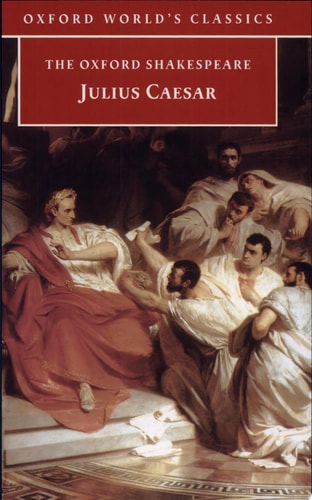
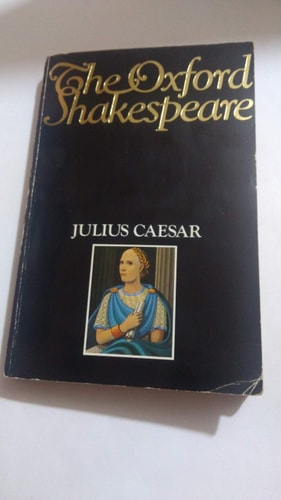
The most famous of Shakespeare's Roman tragedies, Julius Caesar was written and first performed in 1599, and was apparently one the plays his contemporaries enjoyed most. Recounting the death of Caesar on the steps of the Senate house, the play offers some of Shakespeare's finest scenes: Antony's skillful speech at Caesar's funeral, and the quarrel and reconciliation between Brutus and Cassius with the news of Portia's death. This edition includes a fresh consideration of the play's date and its place in the Shakespeare canon and examines how Shakespeare reshaped his sources (primarily North's translation of Plutarch's Lives).
Menrva's Summary
THE PULSE
A conspiracy of Roman senators plots the assassination of Julius Caesar to prevent his rise to absolute power. Brutus, a respected statesman, struggles with the moral implications of betraying his friend for the perceived good of the Roman Republic. He faces opposition from the ambitious conspirators who demand his participation and the loyalists who seek to avenge Caesar's death. The narrative unfolds through a series of public speeches and private confrontations that test the loyalties of the Roman citizenry. The play operates within a framework of political intrigue, where the logical constraints of power and honor dictate the actions of every character.
INSIDE THE PAGES
- Use of blank verse and prose to distinguish social status
- Exploration of the tension between republicanism and tyranny
- Rhetorical mastery in funeral orations
- Examination of omens and supernatural portents
- Focus on the psychological conflict of the protagonist
- Depiction of shifting public opinion in the Roman forum
- Integration of historical source material from Plutarch
- Structural emphasis on the consequences of political violence
THE COLLECTIVE ECHO
Discussion often centers on the ambiguity of Brutus as a tragic figure and the effectiveness of the play's political rhetoric. Readers frequently highlight the contrast between the private moral dilemmas of the conspirators and the public chaos that follows the assassination. Critics often examine how the play reflects the anxieties of Elizabethan England regarding succession and civil stability. The pacing is noted for its rapid escalation from the initial conspiracy to the climactic funeral scene, followed by the inevitable decline of the conspirators. Many readers find the play's exploration of loyalty and betrayal to be a central thematic thread that remains relevant in contemporary political discourse.
Page Count:
272
Publication Date:
1998-06-11
Publisher:
Oxford University Press
ISBN-10:
0192836064
ISBN-13:
9780192836069
Drama
Tragedy
Dramatic works
Historical
Renaissance
Classical
Plays
Community Tags
Other Editions(9)


Similar Books



Reader Comments
Share Your Thoughts
No comments yet. Be the first to share your thoughts!