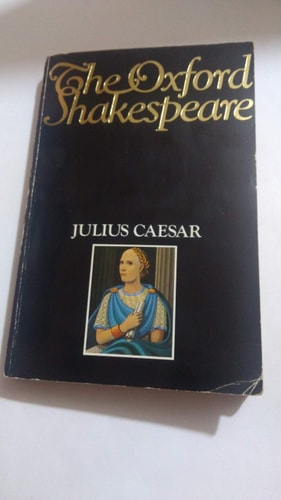
Julius Caesar
0
0
As an Amazon Associate and affiliate partner, Menrva Books earns from qualifying purchases. Learn more
Author Description
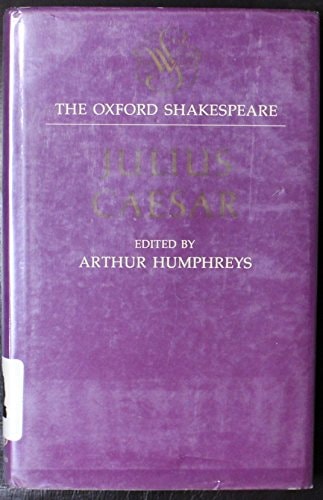
The most famous of Shakespeare's Roman tragedies, Julius Caesar was written and first performed in 1599, and was apparently one the plays his contemporaries enjoyed most. Recounting the death of Caesar on the steps of the Senate house, the play offers some of Shakespeare's finest scenes: Antony's skillful speech at Caesar's funeral, and the quarrel and reconciliation between Brutus and Cassius with the news of Portia's death. This edition includes a fresh consideration of the play's date and its place in the Shakespeare canon and examines how Shakespeare reshaped his sources (primarily North's translation of Plutarch's Lives).
Menrva's Summary
THE PULSE
A conspiracy of Roman senators orchestrates the assassination of Julius Caesar to prevent his rise to absolute power, triggering a violent civil war. Brutus, a respected statesman, struggles with the moral implications of betraying his friend to preserve the Roman Republic. He faces opposition from the ambitious Cassius, who manipulates his sense of duty, and the charismatic Mark Antony, who seeks vengeance for Caesar's death. The narrative unfolds through dramatic dialogue and soliloquies, emphasizing the tension between personal loyalty and political ideology within the rigid social hierarchy of ancient Rome.
INSIDE THE PAGES
- Iambic pentameter verse structure
- Political manipulation and rhetoric
- The role of omens and superstition
- Public oration as a narrative device
- Exploration of republican versus monarchical ideals
- Character arcs centered on moral compromise
- The psychological impact of betrayal
- Tragic irony regarding the conspirators' motives
THE COLLECTIVE ECHO
Discussion often centers on the ambiguity of Brutus as a protagonist, with readers debating whether his actions constitute noble sacrifice or misguided idealism. Critics frequently highlight the play's focus on the power of language, particularly how Mark Antony uses rhetoric to incite the Roman populace against the conspirators. The pacing is noted for its shift from the intimate, claustrophobic planning of the assassination to the expansive, chaotic battlefield of the final acts. Readers often observe that the play remains relevant due to its examination of how political instability can lead to the erosion of democratic institutions. The balance between character-driven internal conflict and the external pressures of statecraft continues to generate significant academic and theatrical analysis.
Page Count:
272
Publication Date:
1984-05-17
Publisher:
Oxford University Press
ISBN-10:
0192814451
ISBN-13:
9780192814456
Drama
Historical
classic
Plays
Dramatic works
Tragedy
Political fiction
Community Tags
Other Editions(9)


Similar Books





Reader Comments
Share Your Thoughts
No comments yet. Be the first to share your thoughts!