As You Like It
0
0
As an Amazon Associate and affiliate partner, Menrva Books earns from qualifying purchases. Learn more
Author Description
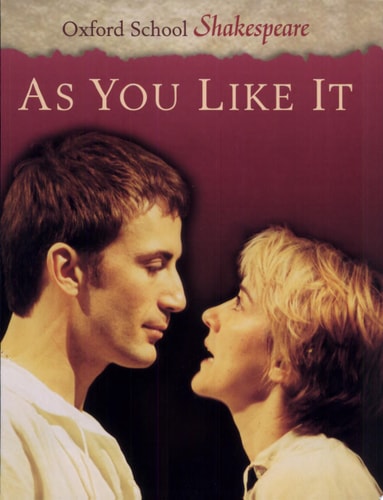
As You Like It is Shakespeare's most light-hearted comedy and one of the best-loved and most performed of all his plays. In his introduction to this new edition Alan Brissenden suggests reasons for its delayed publication and discusses in detail how productions have changed radically over the years. Shakespeare's use of his sources, his handling of the themes of love, doubleness, and pastoral are dealt with, as well as the significance of men playing women's parts on the Elizabethan stage. Detailed annotations explain allusions, puns, and difficult passages, enabling student, reader, actor, and director to savor the humor and the seriousness of the play to the full. There are illustrations, and appendices on "wit" and the songs, for which the earliest known music is printed.
Menrva's Summary
THE PULSE
Rosalind, banished from the court of her usurping uncle, flees to the Forest of Arden disguised as a man to navigate the complexities of love and identity. Seeking refuge alongside her cousin Celia and the court jester Touchstone, Rosalind encounters her beloved Orlando, who is unaware of her true identity. The narrative unfolds through a series of pastoral encounters where the characters grapple with the artifice of court life versus the perceived freedom of the wilderness. Shakespeare employs a multi-layered structure that balances witty repartee with philosophical inquiry into the nature of human affection and social roles.
INSIDE THE PAGES
- Use of gender-bending disguises as a central plot device
- Pastoral setting contrasting with the rigid hierarchy of the court
- Extensive use of wordplay, puns, and sophisticated wit
- Exploration of the theme of love in its various forms
- Inclusion of lyrical songs and musical interludes
- Meta-theatrical commentary on the nature of performance
- Philosophical monologues regarding the stages of human life
- Satirical critique of courtly manners and romantic idealism
THE COLLECTIVE ECHO
Readers and critics frequently highlight the play's enduring appeal due to its sharp wit and the complexity of its central female protagonist. Discussion often centers on the balance between the light-hearted romantic entanglements and the underlying social commentary regarding gender and power. Scholars frequently note the effectiveness of the Forest of Arden as a space where characters can shed their societal masks to reveal their true selves. The play remains a staple of theatrical performance, with many productions focusing on the tension between the artificiality of the court and the natural world.
Page Count:
256
Publication Date:
1993-04-22
Publisher:
Oxford University Press
ISBN-10:
0198129483
ISBN-13:
9780198129486
Drama
Comedy
Dramatic works
Classic Literature
Renaissance
Plays