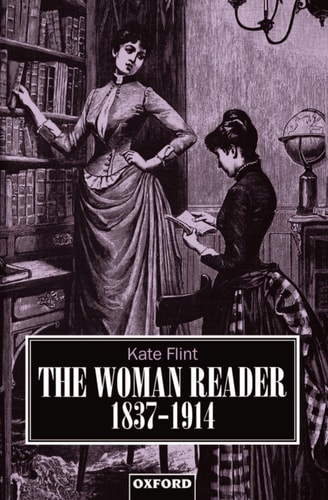
The Woman Reader, 1837-1914
0
0
As an Amazon Associate and affiliate partner, Menrva Books earns from qualifying purchases. Learn more
Author Description
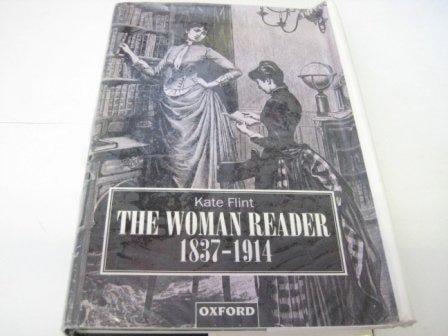
This book is an original and fascinating look at the topos of the woman reader and its functioning in cultural debate between the accession of Queen Victoria and the First World War. The issue of women and reading--what they should read; what they should be protected from; how, what, and when they should read--was the focus of lively discussion in the nineteenth century in a wide range of media. Flint uses recent feminist analyses of how women read as a context for her detailed and readable study of these debates, exploring in a variety of texts--from magazines like Woman's World and My Lady's Novelette to works of literature like Jane Eyre and The Portrait of a Lady--the range of stereotypes and directives addressed to women readers, and their influence on the writing of fiction. She also looks at how women readers of all classes understood their own reading experiences.
Menrva's Summary
THE THESIS
This book investigates how the figure of the woman reader functioned as a central site of cultural anxiety and debate in Britain between 1837 and 1914. Kate Flint, a scholar of Victorian literature and culture, utilizes a wide array of primary sources—including periodicals, conduct manuals, and canonical novels—to examine the societal directives imposed upon women regarding their reading habits. She argues that these prescriptions were not merely passive reflections of gender norms but active forces that shaped both the production of fiction and the lived experiences of women across different social classes.
THE SCOPE MAP
What You Will Find
- Analysis of cultural debates regarding female literacy and reading material from the Victorian era to the outbreak of World War I.
- Examination of diverse media sources including magazines, conduct literature, and canonical novels such as Jane Eyre and The Portrait of a Lady.
- Integration of feminist literary theory to interpret historical reading practices and gendered stereotypes.
- Documentation of how women of varying socioeconomic backgrounds perceived and engaged with their own reading experiences.
THE AUTHORITY PERSPECTIVE
Scholars frequently cite this work as a foundational text for understanding the intersection of gender, literacy, and Victorian cultural history. Experts highlight the depth of the research and the clarity with which Flint navigates complex debates regarding the social regulation of female intellectual life.
Page Count:
382
Publication Date:
1995-12-28
Publisher:
Clarendon Press
ISBN-10:
0198121857
ISBN-13:
9780198121855
History
Women and literature
Great Britain
Literary Criticism
Victorian
Cultural History
Community Tags
Other Editions(3)

Similar Books