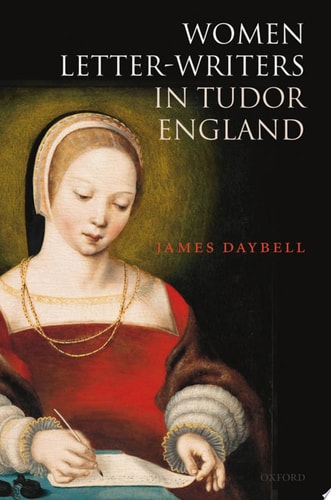
Women Letter-Writers in Tudor England
0
0
As an Amazon Associate and affiliate partner, Menrva Books earns from qualifying purchases. Learn more
Author Description
Women Letter-writers In Tudor England Represents One Of The Most Comprehensive Study Of Women's Letters And Letter-writing During The Early Modern Period To Be Undertaken, And Acts As An Important Corrective To Traditional Ways Of Reading And Discussing Letters As Private, Elite, Male, And Non-political. Based On Over 3,000 Manuscript Letters, It Shows That Letter-writing Was A Larger And More Socially Diversified Area Of Female Activity Than Has Been Hitherto Assumed. In That Letters Constitute The Largest Body Of Extant Sixteenth-century Women's Writing, The Book Initiates A Reassessment Of Women's Education And Literacy In The Period. As Indicators Of Literacy, Letters Yield Physical Evidence Of Rudimentary Writing Activity And Abilities, Document 'higher' Forms Of Female Literacy, And Highlight Women's Mastery Of Formal Rhetorical And Epistolary Conventions. Women Letter-writers In Tudor England Also Stresses That Letters Are Unparalleled As Intimate And Immediate Records Of Family Relationships, And As Media For Personal And Self-reflective Forms Of Female Expression. Read As Documents That Inscribe Social And Gender Relations, Letters Shed Light On The Complex Range Of Women's Personal Relationships, As Female Power And Authority Fluctuated, Negotiated On An Individual Basis. Furthermore, Correspondence Highlights The Important Political Roles Played By Early Modern Women. Female Letter-writers Were Integral In Cultivating And Maintaining Patronage And Kinship Networks; They Were Active As Suitors For Crown Favour, And Operated As Political Intermediaries And Patrons In Their Own Right, Using Letters To Elicit Influence. Letters Thus Help To Locate Differing Forms Of Female Power Within The Family, Locality And Occasionally On The Wider Political Stage, And Offer Invaluable Primary Evidence From Which To Reconstruct The Lives Of Early Modern Women.
Menrva's Summary
THE THESIS
This study investigates the extent and significance of female literacy and political agency in Tudor England through the analysis of over 3,000 manuscript letters. James Daybell, a specialist in early modern history, challenges the traditional view that letter-writing was an exclusively male or private activity. By examining the physical and rhetorical evidence within these documents, he argues that women utilized correspondence as a sophisticated tool for navigating social, familial, and political spheres.
THE SCOPE MAP
What You Will Find
- Analysis of over 3,000 extant manuscript letters from the sixteenth century.
- Examination of female literacy levels and mastery of epistolary conventions.
- Investigation into the role of correspondence in patronage and kinship networks.
- Evidence of women acting as political intermediaries and suitors for Crown favor.
Scope Limits
- The study focuses primarily on the Tudor period and does not extend into the later Stuart era.
- It does not provide a comprehensive biography of every individual letter-writer mentioned.
THE AUTHORITY PERSPECTIVE
Scholars recognize this work as a foundational text for understanding the intersection of gender, literacy, and political power in the early modern period. Readers frequently note the academic density of the prose and the meticulous archival research that supports the author's conclusions.
Page Count:
352
Publication Date:
2006-01-01
Publisher:
OUP Oxford
ISBN-10:
0191531898
ISBN-13:
9780191531897
Politics
History
History - Modern
Kindle Store
Kindle eBooks
European History
Letter Writing
Women in History
Europe
Great Britain
Womens Studies
Criticism history
Literary Criticism
Educational Resources
Categories
Tudor England
Women and literature
Community Tags
Other Editions(5)



Similar Books

Reader Comments
Share Your Thoughts
No comments yet. Be the first to share your thoughts!