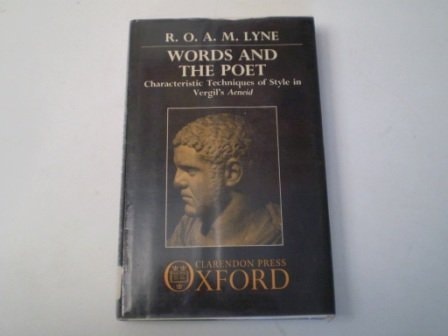
Words and the Poet: Characteristic Techniques of Style in Vergil's Aeneid
0
0
As an Amazon Associate and affiliate partner, Menrva Books earns from qualifying purchases. Learn more
Author Description
Throughout his vast literary output, to a surprising extent, Vergil avoided artifacts of poetic diction like archaism and grecism, preferring instead ordinary language that grew from the common stock of the Latin tongue such as colloquialisms and prosaisms. This remarkabley coherent and readable study identifies and categorizes such diction in Vergil's writings showing further how such comparatively unpromising material was converted by the poet's methods of "combination" (unctura) into poetry. In a critical analysis, Lyne draws parallels between Horace's procedures in combining works to "make them new," and Vergil's bold combinations which veritably extort unexpected and novel sense.
Menrva's Summary
THE THESIS
This study investigates how Vergil transformed ordinary Latin vocabulary into high poetry through specific techniques of linguistic combination. R. O. A. M. Lyne, a noted scholar of classical literature, examines the poet's deliberate avoidance of traditional poetic artifice in favor of colloquial and prosaic language. By analyzing the concept of 'unctura' or combination, the author argues that Vergil achieved novelty and depth by recontextualizing common words rather than relying on archaic or borrowed diction.
THE SCOPE MAP
What You Will Find
- Analysis of Vergil's preference for colloquialisms and prosaisms over traditional poetic archaisms.
- Examination of the 'unctura' method as a primary tool for poetic innovation.
- Comparative study between Vergil's linguistic strategies and those employed by Horace.
- Detailed categorization of diction types found within the Aeneid and other Vergil works.
THE AUTHORITY PERSPECTIVE
Scholars frequently cite this work as a foundational text for understanding the mechanics of Vergilian style and the evolution of Latin poetic diction. Readers often note the clarity of Lyne's prose, which makes complex philological analysis accessible to students and specialists alike.
Page Count:
224
Publication Date:
1990-01-18
Publisher:
Oxford University Press
ISBN-10:
0198148968
ISBN-13:
9780198148968
Poetry
Virgil
Literary Criticism
Philology
Latin
Community Tags
Similar Books