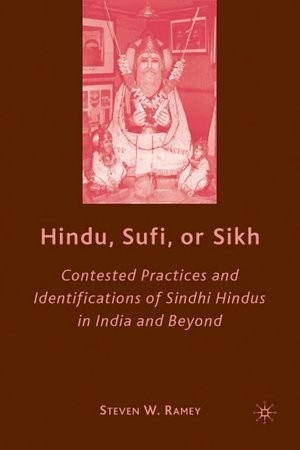
Hindu, Sufi, or Sikh
0
0
As an Amazon Associate and affiliate partner, Menrva Books earns from qualifying purchases. Learn more
Author Description
This multi-sited ethnography considers the impact of contested definitions on the experiences and representations of Sindhi Hindus. Ramey recognizes how the dominant definitions of Hinduism, Islam, and Sikhism challenge communities who defy such understandings and analyzes the ways Sindhi Hindus have established their unconventional practices and heritage in the context of their diaspora. By analyzing concrete examples of the creation of a heritage in the context of migration, this book considers the implications of representations of religions for Sindhi Hindus and other similar communities.--Jacket.
Menrva's Summary
THE THESIS
This ethnography examines how dominant religious definitions impact the experiences and representations of Sindhi Hindus. Steven Wesley Ramey, an expert in religious studies, analyzes how Sindhi Hindus, who often defy conventional understandings of Hinduism, Islam, and Sikhism, establish their unique practices and heritage within their diaspora. The book draws on concrete examples of heritage creation amidst migration to explore the broader implications of religious representation for Sindhi Hindus and similar communities.
THE SCOPE MAP
- Multi-sited ethnography of Sindhi Hindus
- Analysis of contested definitions of Hinduism, Islam, and Sikhism
- Exploration of how dominant religious categories challenge communities
- Examination of Sindhi Hindus' unconventional practices and heritage
- Case studies of heritage creation in diaspora contexts
- Implications of religious representation for minority communities
THE AUTHORITY PERSPECTIVE
The book is recognized for its detailed ethnographic approach to understanding religious identity in diaspora. Scholars likely appreciate Ramey's nuanced examination of how communities navigate and resist imposed religious classifications. The work is expected to provide valuable insights into the complexities of religious practice and representation for minority groups, particularly those with fluid or syncretic traditions.
Page Count:
237
Publication Date:
2008-01-01
ISBN-10:
0230608329
ISBN-13:
9780230608320
Religion
History
Non-Fiction
Hinduism
Islam
Sikhism
Ethnography
Community Tags
Similar Books