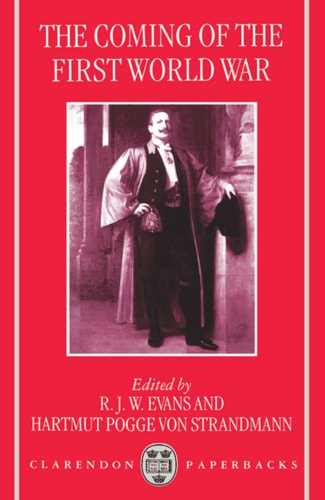
The Coming of the First World War
0
0
As an Amazon Associate and affiliate partner, Menrva Books earns from qualifying purchases. Learn more
Author Description
The debate about the conflict which transformed Europe between 1914 and 1918 is one of the most fundamental in modern European history. This book, based on public lectures given in Oxford, makes two distinctive contributions to that debate. It presents readable and judicious accounts of the events and decisions which directly precipitated the outbreak of war in each of the main countries and assesses the role of public opinion and popular mood in determining and responding to the "July Crisis." The book offers a stimulating survey of the historiography of the immediate causes of the war, before and since the famous "Fischer controversy" over German responsibility, and new reflections on the character of the official and unofficial "mentalités" during the last weeks of peace. Published on the seventieth anniversary of the 1918 Armistice, this book will appeal to anyone interested in how wars begin.
Menrva's Summary
THE THESIS
This work investigates the complex diplomatic, political, and social factors that precipitated the outbreak of the First World War in 1914. Edited by Hartmut Pogge von Strandmann and R. J. W. Evans, the book compiles a series of public lectures delivered at Oxford to provide a comprehensive analysis of the July Crisis. The authors evaluate the decision-making processes within major European powers and examine how public sentiment influenced the escalation toward global conflict.
THE SCOPE MAP
What You Will Find
- Detailed accounts of the diplomatic events and national decisions leading to the war in 1914.
- An assessment of the role of public opinion and popular mood during the July Crisis.
- A survey of the historiography surrounding the causes of the war, including the Fischer controversy.
- Analysis of the official and unofficial mentalities prevalent in European societies during the final weeks of peace.
THE AUTHORITY PERSPECTIVE
Experts recognize this collection as a valuable synthesis of historical perspectives on the origins of the Great War. Readers frequently note the clarity of the prose, which makes complex diplomatic history accessible to both students and general historians.
Page Count:
189
Publication Date:
1990-11-22
Publisher:
Clarendon Press
ISBN-10:
0198228414
ISBN-13:
9780198228417
History
Political History
Military History
European History
Community Tags
Other Editions(3)
Similar Books