Beethoven: Variations on a Life
0
0
As an Amazon Associate and affiliate partner, Menrva Books earns from qualifying purchases. Learn more
Author Description
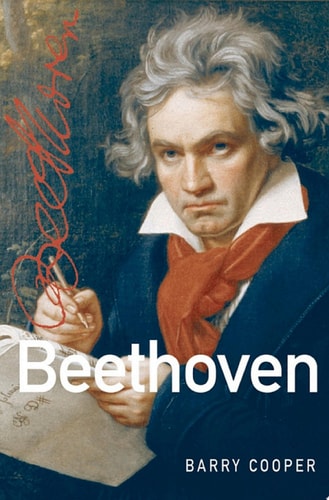
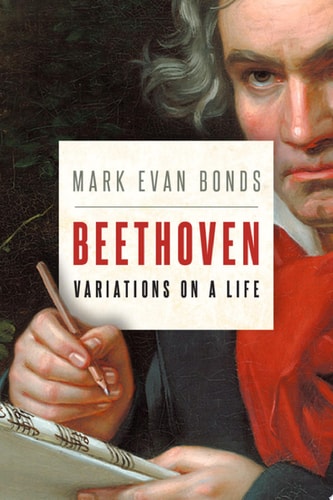
Despite the ups and downs of his personal life and professional career-even in the face of deafness-Beethoven remained remarkably consistent in his most basic convictions about his art. This inner consistency, the music historian Mark Evan Bonds argues, provides the key to understanding the composer's life and works. Beethoven approached music as he approached life, weighing whatever occupied him from a variety of perspectives: a melodic idea, a musical genre, a word or phrase, a friend, a lover, a patron, money, politics, religion. His ability to unlock so many possibilities from each helps explain the emotional breadth and richness of his output as a whole, from the heaven-storming Ninth Symphony to the eccentric Eighth, and from the arcane Great Fugue to the crowd-pleasing Wellington's Victory. Beethoven's works, Bonds argues, are a series of variations on his life. The iconic scowl so familiar from later images of the composer is but one of many attitudes he could assume and project through his music. The supposedly characteristic furrowed brow and frown, moreover, came only after his time. Discarding tired myths about the composer, Bonds proposes a new way of listening to Beethoven by hearing his music as an expression of his entire self, not just his scowling self.
Menrva's Summary
THE THESIS
How does the internal consistency of Ludwig van Beethoven's convictions provide a framework for understanding the breadth of his musical output? Mark Evan Bonds, a distinguished music historian, utilizes primary source documents and musical analysis to challenge traditional myths surrounding the composer. He argues that Beethoven’s creative process mirrored his life experiences, treating musical themes as variations that reflect his multifaceted personality rather than a singular, brooding persona.
THE SCOPE MAP
What You Will Find
- Analysis of major works including the Ninth Symphony, the Eighth Symphony, and the Great Fugue.
- Examination of Beethoven's personal relationships with patrons, friends, and lovers.
- Contextualization of the composer's political and religious views.
Scope Limits
- The text does not provide a comprehensive day-by-day biographical timeline.
- It avoids focusing on the sensationalist aspects of the composer's deafness or personal struggles.
THE AUTHORITY PERSPECTIVE
Experts and musicologists frequently highlight this work as a nuanced departure from traditional, myth-heavy biographies of the composer. Readers often note the accessible yet scholarly prose that effectively bridges the gap between technical musical analysis and biographical narrative.
Page Count:
160
Publication Date:
2020-08-03
Publisher:
Oxford University Press
ISBN-10:
0190054085
ISBN-13:
9780190054083
Biography
Non-Fiction
Musical Genres
Music
Music History
Community Tags
Similar Books