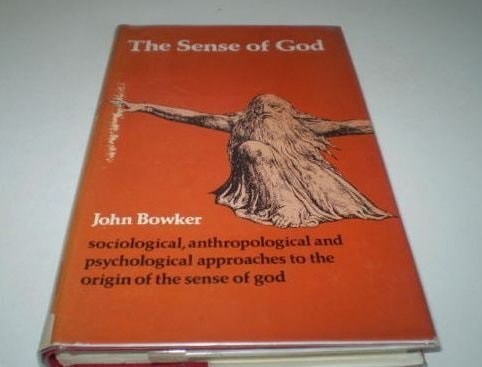
The Sense of God: Sociological, Anthropological, and Psychological Approaches to the Origin of the Sense of God
0
0
As an Amazon Associate and affiliate partner, Menrva Books earns from qualifying purchases. Learn more
Author Description
This challenging and penetrating book examines possible responses to key questions; such as how do human beings arrive at a sense of God and what shapes our sense of God?
Menrva's Summary
THE THESIS
This work investigates the fundamental origins of the human sense of God by synthesizing sociological, anthropological, and psychological frameworks. John Westerdale Bowker, a noted scholar in religious studies, evaluates how biological and cultural evolution contribute to the development of religious consciousness. He argues that the sense of God is not merely a social construct but a complex interaction between human cognitive structures and environmental stimuli. By examining diverse cultural practices and psychological data, the author constructs a multidisciplinary model to explain the persistence of the divine in human experience.
THE SCOPE MAP
What You Will Find
- Analysis of evolutionary biology as it relates to religious belief
- Comparative anthropological studies of ritual and belief systems
- Psychological frameworks regarding cognitive development and the divine
- Sociological examination of how community structures shape theological concepts
THE AUTHORITY PERSPECTIVE
Scholars frequently cite this text for its ambitious attempt to bridge the gap between empirical science and theological inquiry. Readers often note the academic density of the prose, which requires a foundational understanding of the social sciences to fully grasp the author's arguments.
Page Count:
237
Publication Date:
1973-01-01
Publisher:
Clarendon P
ISBN-10:
0198266324
ISBN-13:
9780198266327
Psychology
Religion
Anthropology
God
Sociology
Theology
Community Tags
Similar Books