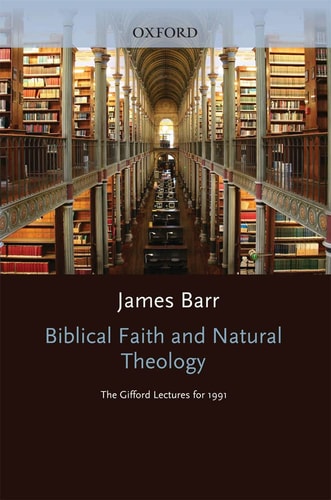
Biblical Faith and Natural Theology: The Gifford Lectures for 1991 Delivered in the University of Edinburgh
0
0
As an Amazon Associate and affiliate partner, Menrva Books earns from qualifying purchases. Learn more
Author Description
Do people know about God just by being human beings? Or do they need special divine assistance, through the Bible and the church? Natural theology is the idea that human beings "by nature," that is just through being human, know something of God; or that they gain such knowledge from observing the world we live in. Its opposite is revealed theology, or the knowledge of God communicated only through special channels--through Jesus Christ, through the Bible, through the church. Natural theology was long accepted as a basic ingredient in all theology, but in the twentieth century it was rejected by important theologians, especially Karl Barth. His views denied all natural theology and placed greater emphasis on the Bible. But what if the Bible itself uses, depends on, and supports natural theology? In this book, Barr pursues these questions within the Bible itself and within the history of ideas, and he looks at their implications for religion and theology in the future.
Menrva's Summary
THE THESIS
This work investigates whether the biblical text itself supports or relies upon the concept of natural theology, challenging the twentieth-century rejection of the doctrine. James Barr, a prominent biblical scholar, examines the historical and theological tension between natural theology—the idea that humans can know God through nature or reason—and revealed theology, which posits that knowledge of God comes exclusively through scripture and divine intervention. By analyzing the biblical canon and the history of theological thought, Barr argues that the binary opposition between these two modes of knowledge may be more complex than modern theologians, particularly those following Karl Barth, have suggested.
THE SCOPE MAP
What You Will Find
- A critical analysis of the historical debate between natural and revealed theology.
- An examination of biblical passages that potentially support natural theology.
- A critique of Karl Barth’s rejection of natural theology.
- An exploration of the future implications of these theological frameworks for religious practice.
THE AUTHORITY PERSPECTIVE
Experts recognize this text as a significant contribution to the Gifford Lectures series, valued for its rigorous engagement with biblical criticism and systematic theology. Readers frequently note the academic density of the prose, which requires a foundational understanding of twentieth-century theological discourse to fully appreciate the author's arguments.
Page Count:
256
Publication Date:
1993-03-18
Publisher:
Oxford University Press
ISBN-10:
0198262051
ISBN-13:
9780198262053
Philosophy
Religion
Bible theology
Natural theology
Theology
Academic
Christianity
Community Tags
Similar Books