Non-Conventional Weapons Proliferation in the Middle East: Tackling the Spread of Nuclear, Chemical, and Biological Capabilities
0
0
As an Amazon Associate and affiliate partner, Menrva Books earns from qualifying purchases. Learn more
Author Description
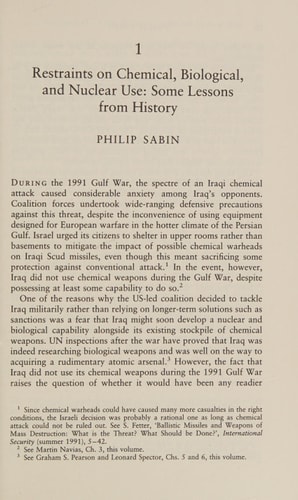
The 1991 Gulf war has highlighted the dangers of non-conventional weapons and ballistic missile proliferation in the Third World in general and in the Middle East in particular. But the dangers of non-conventional weapons proliferation are not confined to Iraq: both ballistic missiles and chemical weapons are widespread and a number of countries continue with biological weapons research. This book contains papers by leading world experts on all aspects of non-conventional weapons proliferation in the post-Gulf War period.
Menrva's Summary
THE THESIS
This volume investigates the systemic risks and geopolitical implications of non-conventional weapons proliferation across the Middle East following the 1991 Gulf War. The authors, Efraim Karsh, Martin S. Navias, and Philip Sabin, curate a collection of expert analyses to evaluate the spread of nuclear, chemical, and biological capabilities in the region. By synthesizing historical data and strategic assessments, the text argues that the proliferation of these weapons constitutes a persistent threat to global security that extends well beyond the specific case of Iraq.
THE SCOPE MAP
What You Will Find
- Analysis of ballistic missile development and deployment patterns in the Middle East.
- Examination of chemical and biological weapons research programs across multiple regional states.
- Strategic evaluations of post-Gulf War security architectures and international non-proliferation efforts.
- Expert perspectives on the technical and political hurdles to regional disarmament.
THE AUTHORITY PERSPECTIVE
Experts recognize this collection as a foundational resource for understanding the security landscape of the early 1990s. The prose is noted for its academic rigor and remains a standard reference for scholars studying the history of regional arms proliferation.
Page Count:
312
Publication Date:
1993-09-16
Publisher:
Oxford University Press
ISBN-10:
0198277687
ISBN-13:
9780198277682
Military History
International relations
Arms Race
Middle East
Nuclear Proliferation
Community Tags
Similar Books