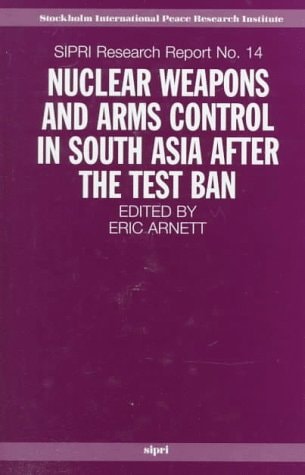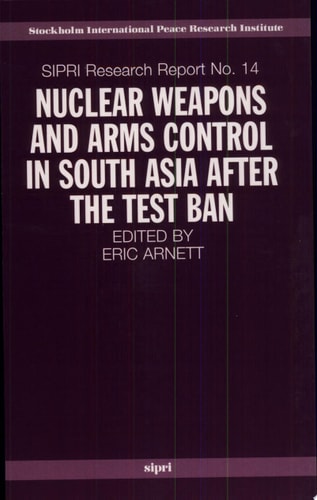
Nuclear Weapons and Arms Control in South Asia after the Test Ban
0
0
As an Amazon Associate and affiliate partner, Menrva Books earns from qualifying purchases. Learn more
Author Description
This book examines an area of the world where arms control is almost non-existent--China, India, and Pakistan--and takes the unusual approach of considering the implications of conventional arms transfers, and in particular India's strategic defenses, for nuclear stability. Building on an analysis of their internal politics and attitudes to nuclear policies, it concludes that certain apparently defensive systems, particularly counter-air systems, have considerable implications for the retention of nuclear capabilities in the region.
Menrva's Summary
THE THESIS
This report investigates the complex intersection of conventional military modernization and nuclear stability among China, India, and Pakistan following the Comprehensive Nuclear-Test-Ban Treaty. Eric H. Arnett, a researcher at the Stockholm International Peace Research Institute (SIPRI), utilizes regional security data and political analysis to argue that conventional defensive systems, specifically counter-air capabilities, inadvertently destabilize the nuclear status quo. The text provides a framework for understanding how regional arms transfers complicate traditional deterrence models in South Asia.
THE SCOPE MAP
What You Will Find
- Analysis of nuclear policy attitudes within China, India, and Pakistan.
- Examination of the impact of conventional arms transfers on regional strategic stability.
- Assessment of how defensive counter-air systems influence nuclear retention capabilities.
- Evaluation of arms control limitations in the post-test ban geopolitical environment.
THE AUTHORITY PERSPECTIVE
Experts recognize this report as a foundational analysis of the South Asian security dilemma during the late 1990s. Readers frequently note the technical density of the prose and its importance for understanding the strategic motivations behind regional military procurement.
Page Count:
112
Publication Date:
1998-05-07
Publisher:
Stockholm International Peace Research Institute
ISBN-10:
0198294115
ISBN-13:
9780198294115
Arms Race
Arms Control
Military Strategy
Nuclear weapons
International relations
Community Tags
Other Editions(2)
Similar Books